Travel Cribs & Playards
 High Chairs
 Health & Safety


Everything You Need to Know About Booster Seats
Searching for information about car seats online can feel like trying to drink water from a fire hose—the Google pages never end. But all that info tends to address proper infant and convertible car seat usage (still very important!) and neglect the booster seat, which your child will ride in for years. This final stage of car seat safety is just as critical as the first, yet it's often rushed or misunderstood.
Are you wondering if your child is truly ready to leave their five-point harness? Which type of booster seat is right for your child? When should you switch your child out of a convertible car seat? When can your child safely ride without a booster seat? If you’ve got more questions than answers, we’re here to help. We've created a definitive guide to walk you through every step of the booster seat journey, from making the transition to finally graduating to the vehicle seat belt. Here’s everything you need to know about booster seats.
The Science of a Safer Fit
A booster car seat bridges the gap for kiddos who have outgrown their forward-facing convertible car seat, but aren’t yet big enough for the vehicle's seat belt to fit properly. A booster raises a child up off the vehicle seat, creating a better seat belt fit. Think of it this way: a car's seat belt system is engineered to protect an adult-sized body. Without a booster, the lap belt rides up high on a child's soft abdomen (instead of their strong hip bones), and the shoulder belt cuts dangerously across their neck or face. A booster seat corrects this geometry, "boosting" the child up so the adult seat belt can do its job effectively.
You’ll transition your child from a convertible car seat to a booster once he is at least forty pounds, is at least four years old, and sits on his own properly for the duration of the trip (no slouching over or fidgeting with the shoulder belt, for example). We will dive much deeper into this "readiness" question below, as maturity is just as important as physical size.
The Different Types of Booster Seats
Choosing the right type of booster depends on your child's age, your vehicle, your lifestyle, and your budget. Let's break down the main categories.
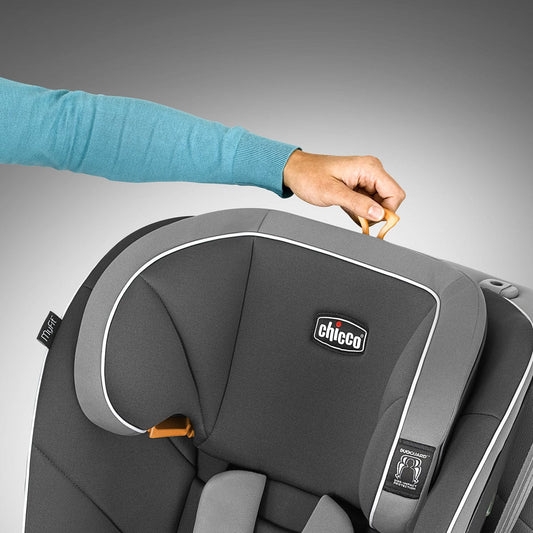
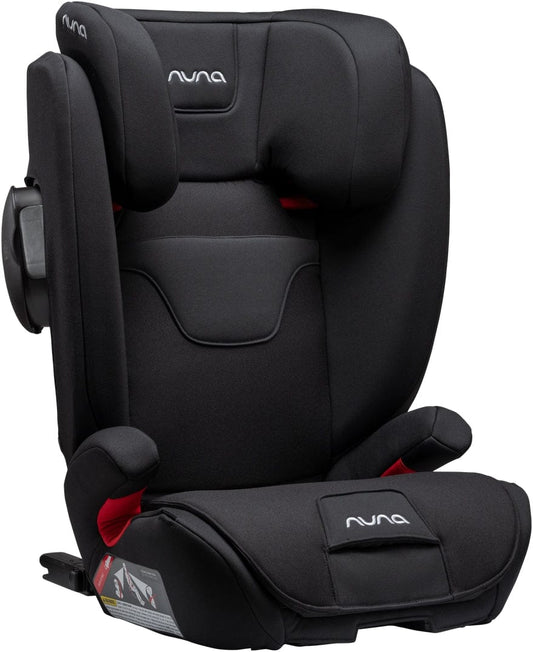
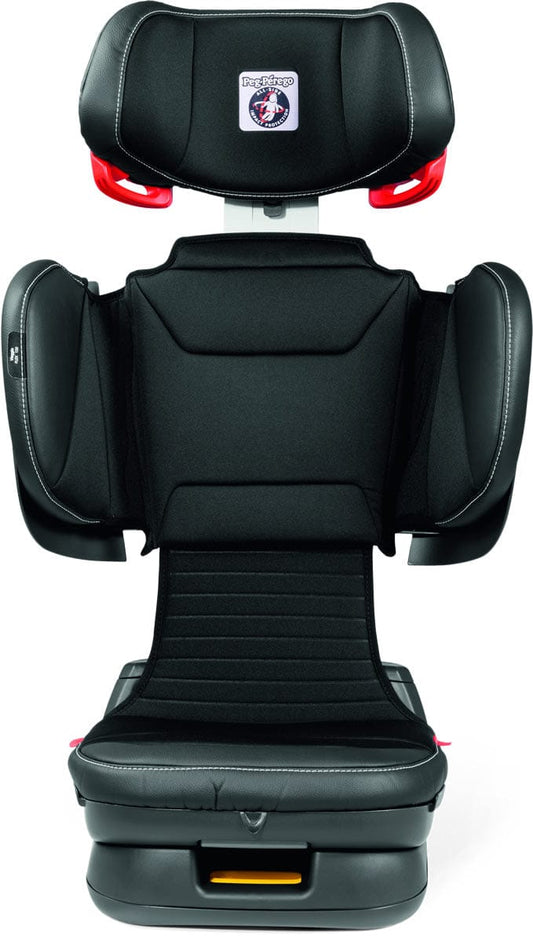
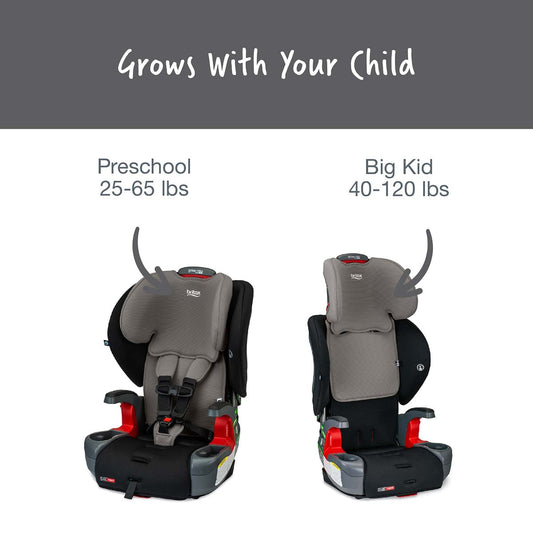
High-Back Booster Seats: High back boosters resemble car seats—there’s a headrest, a back, and a bottom. High back boosters guide the shoulder belt through a loop or clip near the child's shoulder, assuring proper positioning and fit (these are described as high back belt positioning boosters). Most of these boosters have backs that can be removed once your child is tall enough and mature enough, converting them into a backless booster.
Pros: Excellent side-impact protection, head support for sleeping children, and consistently better belt positioning for younger kids.
Cons: Bulkier and less portable than backless options.
Best For: Children who have just transitioned from a 5-point harness, and for use in vehicles without rear headrests.
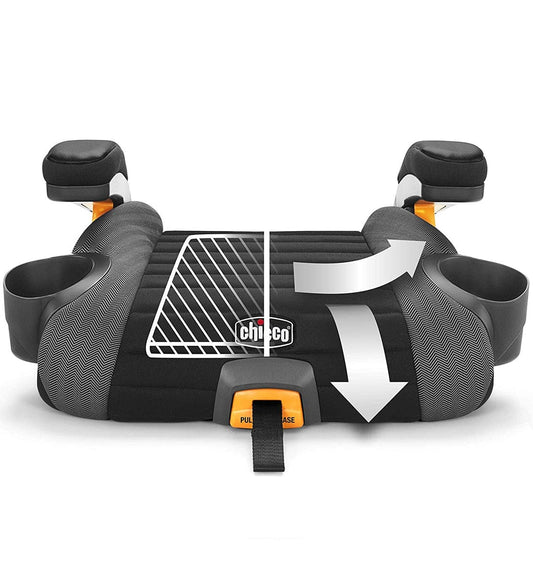
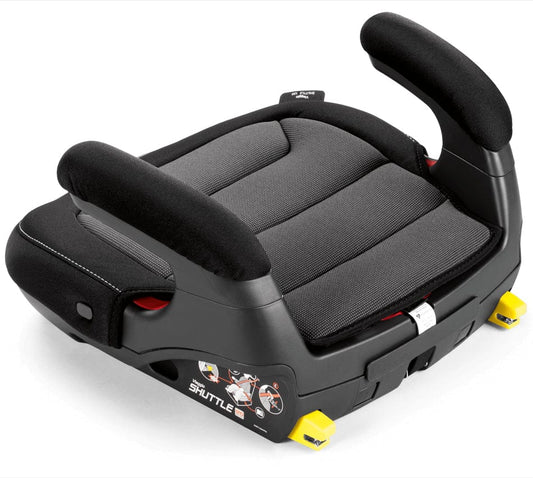
Backless Booster Seats: Backless boosters are a specialized seat cushion that give kids extra height to ensure they can be safely strapped in and have guides to keep the lap belt in the proper position. Some may come with a separate shoulder belt positioning clip. They’re less expensive than high back boosters, and a great option for travel and rideshares.
Pros: Highly portable, lightweight, inexpensive, and great for carpooling.
Cons: Offers no side-impact protection or head support. Requires the vehicle to have a headrest that provides support to at least the top of the child's ears.
Best For: Older, more mature children who have demonstrated they can sit properly for the entire ride, and for situations requiring easy portability.
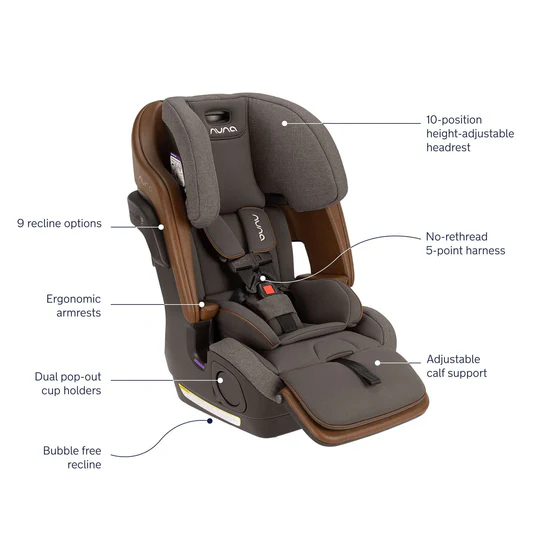
Combination (Harness-to-Booster) Seats: There are also combination high back booster seats that function as car seats with a five-point harness (for kids up to at least forty pounds) or as a belt positioning booster (for kids over forty pounds). When your child outgrows the harness, you simply remove it and use the seat with the vehicle's seat belt. Most combination high back booster seats do not convert to backless boosters.
Pros: A great value, as it serves two stages. Familiar to children moving from a convertible seat.
Cons: Often heavier and bulkier than dedicated boosters. May have lower harness height/weight limits than some convertible seats.
Best For: Parents who want to buy one last forward-facing seat that will grow with their child.
All-in-One Car Seats: Many families already own an "all-in-one" seat designed to go from rear-facing to forward-facing to booster mode. These also function as combination seats once the harness is outgrown.
Pros: The ultimate long-term investment, covering all stages. No need to buy multiple seats.
Cons: Typically the largest and heaviest seats. The booster mode fit can sometimes be outgrown sooner than a dedicated booster.
Best For: Families who invested in one from the start.
Do You Need a Booster Seat?
Definitely! Your child will outgrow their forward-facing car seat before they’re able to safely use a vehicle seat belt (both the shoulder belt and lap belt will not fit your young child properly, even if they’re in the 95th percentile for weight and/or height). Using a booster seat reduces the risk of serious injury by 45% for children aged 4-8 years compared to using a seat belt alone.
Additionally, all states require that children ride in booster seats, though the duration and cut off ages vary by state. If you’d like to check your specific state’s car seat laws, Safe Ride 4 Kids keeps an updated list here. But remember, state laws are a minimum standard. Best practice, as recommended by the AAP and NHTSA, is to keep your child in a booster until the adult seat belt fits them correctly, regardless of their age.
How Do You Know If Your Belt Positioning Booster Seat Fits Your Child Properly?
A proper fit is everything. An improperly positioned seat belt can cause serious internal injuries in a crash. There are two spots to check on your child for proper belt positioning booster seat fit:
- The Shoulder Belt: The shoulder belt should be in direct contact with your child’s shoulder (not lifting off). It should be laying flat across the midpoint between the slope of your child’s shoulder and their neck. It should never be cutting into the neck or slipping off the edge of the shoulder.
- The Lap Belt: The lap belt should be laying flat and low across the top of your child’s thighs at the hip. It should not be resting on their waist or soft stomach. A lap belt on the abdomen can cause severe organ damage in a collision.
Booster Seat Safety: Ratings, Placement, and Common Mistakes
What Is the Safest Booster Seat?
One of the most common questions we’re asked by parents is ‘What car seat is safest?’ Fortunately, all new car seats must pass federal safety regulations set by the National Highway Traffic Safety Administration (NHTSA), so how you use your seat matters more than what you choose to buy. In other words: The safest car seat is one that is the right size for your child’s weight, height and age; that fits your car; and that is used correctly each and every time.
Where Can You Find More In-Depth Safety Info and Ratings for Booster Seats?
The Insurance Institute for Highway Safety (IIHS) is an independent, nonprofit scientific and educational organization that evaluates booster safety by how well the seat positions the seat belt on your child’s body in a range of vehicles (both the lap and shoulder belts). They don't do crash tests on boosters; their entire focus is on promoting a safe belt fit. They group boosters into four different categories:
- Best Bet: Seats that provide a good belt fit for most children in almost any car, minivan, or SUV. This is the highest rating and your best starting point.
- Good Bet: Seats that provide an acceptable belt fit in most cars, minivans, and SUVs.
- Not Recommended: Seats that do not provide a good belt fit and should be avoided. (Good news alert! No car seat currently sold new on the market has received this designation.)
- Check Fit: Seats the IIHS has tested that have varied results depending on the size of the child and vehicle model.
Where Is the Safest Vehicle Placement for a Booster Seat?
All children under the age of thirteen should ride in your car’s back seat, and the safest placement for car seats could be the middle of the back seat because it is furthest from any potential side impact.
This is only true if you can get a proper fit, however. The middle back seat in many cars is narrow and uneven, making it difficult—and sometimes impossible—to get the booster to sit flat (additionally, some cars do not have headrests or lower anchors in the middle back seat). It is always safest to put your car seat in a position where it can be used correctly according to the manual. So if the right or left side of your vehicle’s back seat is where you can achieve the best and most consistent belt fit, it’s where you should install any car seat, including boosters.
Used Booster Seats and Recalls
How Do You Know if Your Car Seat Has Been Recalled?
Fortunately, both the NHTSA and car seat manufacturers have worked to ensure that it’s easy for parents to find information about car seat recalls. If you’re concerned or aren’t sure if your booster seat has been recalled, you can:
- Check the manufacturer’s website.
- Use the NHTSA database.
- Most importantly, make sure to register your car seat. Don’t ignore those registry postcards that arrive in your car seat’s packaging! If you have recently purchased a car seat, make sure to register it with the manufacturer—you’ll automatically receive important safety-related updates, including recalls.
- Contact the manufacturer directly.
If you learn that your booster seat has been subject to a recall, it’s essential to follow the manufacturer’s instructions for repair, replacement, or any other necessary actions outlined in the recall notice.
Is It Safe to Buy a Used Booster Seat? What About Expiration Dates?
We usually advise against purchasing a used booster seat, and not just because we’re a baby gear retailer. It’s critical you know a previously used car seat’s complete history (Has it been recalled? Does it need replacement parts? Has it been in a crash? Are the manufacturer’s instructions available? etc.), and with a used car seat from a stranger, that’s probably not possible.
Furthermore, all car seats have an expiration date stamped on the plastic shell (typically 6-10 years from the date of manufacture). Over time, plastic can degrade and become brittle, and safety standards evolve. Never use an expired car seat.
If budget is a concern, there are plenty of affordable brand new options that you can be sure are up to current safety standards. Additionally, there are nonprofits like Buckle Up for Life that donate seats to families in need.
Timing Your Move to a Booster
When Will You Need a Booster Seat?
Do not feel rushed into transitioning into a booster! Children—especially the younger ones—are safest in a five-point harness, so if your little one still fits within the height and weight limits for their five-point harness convertible car seat, keep them there. The harness distributes crash forces over five points on the strongest parts of their body.
Generally speaking, you’ll transition your child from a convertible car seat to a booster once they meet ALL three of the following criteria:
- They have exceeded the height OR weight limit for their forward-facing harness.
- They are at least four years old (though most experts and CPSTs recommend waiting until 5 or 6).
- They are mature enough to sit properly for the duration of the trip (no slouching, leaning over, fiddling with the shoulder belt, or unbuckling, for example). This is the most subjective but arguably the most important factor.
Until your child reaches all three preconditions, they should stay in their convertible car seat. Most children are at least five years old before they reach the physical requirements and are mature enough to sit in a booster properly.
When Can You Switch to a Backless Booster Seat?
The American Academy of Pediatrics (AAP) recommends keeping your child in a high back booster seat for as long as possible while the seat belt is still properly positioned on your child. A booster’s head and neck support provides extra protection in the event of a collision. A good rule of thumb is to wait until your child is at least 6-8 years old and has demonstrated consistent proper sitting behavior before considering a backless booster for full-time use.
When Can Your Child Ride Without a Booster Seat?
Similarly, there are guidelines (and state laws) that indicate your big kid’s readiness to ride without a booster seat. This is not based on age! Your child is ready to ride without a booster when you can answer “Yes” to all five parts of the "5-Step Test":
- Their back is against the vehicle seat and
- Their knees bend comfortably at the edge of the vehicle seat and
- The lap belt sits low across their upper thighs/hips, not their belly and
- The shoulder belt is centered between their neck and shoulder and
- They can sit properly in the seat this way for the entire trip without slouching or moving the belt.
Most kids can ride safely without a booster when they’re ten to twelve years old and are around 4'9" tall. And remember, all children under thirteen should be riding in the vehicle’s back seat.
Finding What’s Right for You
Albee Baby is the oldest family-owned specialty baby shop in the US, and we pride ourselves on providing our customers with the best assortment of baby products anywhere, at fair prices, always. We’re committed to being an inclusive resource for parents, and hope you’re feeling empowered to find the right baby gear for your family. Still have questions? Feel free to contact our baby gear experts at 877.692.5233 or by email at [email protected].