Travel Cribs & Playards
 High Chairs
 Health & Safety


Baby's Bath Time Routine
Sometimes, some tasks can feel like just another item on an endless to-do list. But bath time doesn't have to be one of them. Bath time is essential for babies: it keeps them clean, healthy, and provides a multi-sensory experience that boosts cognitive development. While bathing a wriggly new baby can feel overwhelming to any new parent, creating a routine for your baby will make bath time less stressful for everyone (and it’s a perfect way to wind down and get ready for bed).
This guide is designed to transform bath time from a source of anxiety into a daily ritual that you'll look forward to. We’ll show you how to begin a simple bath time routine for your baby, navigate common challenges, with our best tips and tricks for ending a busy day with a calming, sleep-promoting routine.
Why Is Establishing a Bath Time Routine Important?
The Science-Backed Benefits
Yes, baths make babies smell delicious and are prime time photo opportunities, but they also support your little one’s cognitive skills, enhance motor development, and are amazing opportunities to bond with your little one. Let's explore the profound benefits hiding in that tiny tub.
- Big-time bonding: You may find that bath time quickly becomes a favorite part of the day, for both of you – it’s serious QT, between just the two of you. Care taking activities, like bathing, show your baby just how much you love him. This consistent, focused skin-to-skin contact, combined with your gentle voice, can help release oxytocin—the "love hormone"—in both you and your baby, strengthening your connection on a physiological level. Smooch that yummy nose, count those pudgy rolls, tickle those itty bitty toes, and sing silly nursery rhymes. Feeling your gentle touch and hearing your voice promotes bonding and healthy social-emotional development.
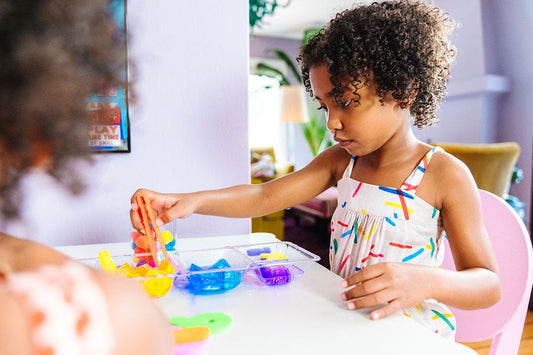
- Brain building: Water play stimulates creativity, curiosity, and sensory processing. Every splash, gurgle, and change in temperature is a new piece of sensory information for your baby's developing brain to process. Demonstrate cause-and-effect by hitting the water and creating a splash, or learn the names of body parts as you wash. Add some bath toys and your baby or toddler can boost cognitive function while working on fine motor skills and hand-eye coordination.
- Soothe fussiness: At the end of a long day, few things are as glorious and relaxing as a nice tub soak, and your baby hopefully agrees. Warm baths are calming and comforting, and they’re a great way to soothe a fussy baby. All the post-bath cuddles are a bonus, too.
- Bedtime routines: A bath is a smart way to establish a separation between ‘awake time’ and ‘sleep time.’ The science is simple but effective: the warm, soothing water raises your baby's body temperature. The subsequent, slight drop in body temperature after the bath mimics a natural process that signals to the brain that it's time for sleep. This actually helps your baby fall asleep faster.
- Promote hygiene: Regular bathing removes dirt, bacteria, and sweat from your little one’s skin, reducing the chance for skin infections like diaper rash and reinforcing that bathing is part of adult routines (though your teen may forget). It's also a great time to gently clean developing cradle cap.
- Eliminate future power struggles: Introducing a routine (and making it a fun and positive experience) will reduce the chances of a bath time rebellion once your infant is an opinionated toddler… who can run away from you.
Sponge Bathing Your Newborn
Before your baby's umbilical cord stump falls off (and for circumcised boys, before the area heals), you'll need to stick to sponge baths. This avoids soaking the area and promotes healing.
- Prepare your station on a flat, safe surface like a changing table or the floor, laying down a towel.
- Have two basins of warm water ready—one for soapy water, one for rinsing—along with washcloths and a towel.
- Keep your baby wrapped in a towel, exposing only the part of the body you are currently washing to keep them warm.
- Using a damp washcloth (no soap), gently wipe your baby's eyes from the inside corner out. Then, wash the rest of their face.
- Using the soapy water, gently wash the rest of their body, paying special attention to neck creases and the diaper area. Rinse thoroughly with the clean water and pat dry.
When Is the Best Time to Bathe Your Baby?
There’s no one-size-fits all answer about when to bathe your baby (your baby’s temperament and your family’s schedule play a role), but generally, incorporating bath time into your baby’s bedtime routine can result in less stress and more rest for everyone. It also reinforces the wind down transition and signals to your little one that it’s time to relax and get ready to snooze. Choose a time when you are not rushed and can dedicate your full attention to the task.
How Often Should You Bathe Your Baby?
Babies do not need a bath every day—in fact, bathing too frequently can dry out sensitive skin and cause irritation (similarly, use bath gels and shampoo sparingly). As long as you make sure to keep those dirt-prone areas clean (diaper area, face and neck, hands, etc.), you will only need to bathe your baby two or three times a week. And don’t worry about shampooing during every bath, either (a real hair wash with shampoo can be done just weekly).
Non-Negotiable Bath Time Safety Rules
While bath time is a fun experience for both babies and parents, you’ll also want to make sure you’re doing it safely. These rules are not optional.
- Golden Rule #1: Never, ever leave your baby unattended. Any time your baby is in water, they should be under constant supervision—don’t step away from the tub or take your eyes off your baby, even for a moment to grab a towel or answer the phone. This means having everything you need within arm's reach before the bath begins.
- Golden Rule #2: Get the temperature just right. Bath water should be warm, but not hot. The water temperature is best described as lukewarm (you can test with your elbow or wrist—they’re more sensitive than your fingertips), right around 100°F. A simple bath thermometer can provide peace of mind. When you’re baby proofing your home, go ahead and set your water heater below 120°F to prevent accidental scalding.
- Golden Rule #3: Keep water levels low. Fill your tub or sink with just enough water to cover the bottom of your baby’s body (about 2-3 inches), and always keep one hand on your baby’s body for support.
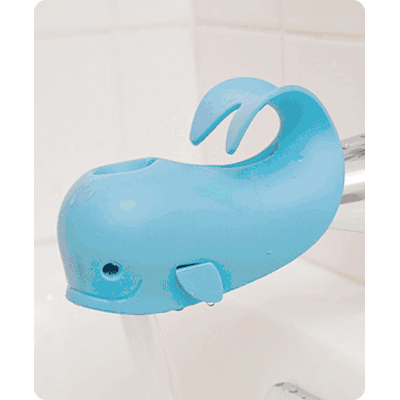
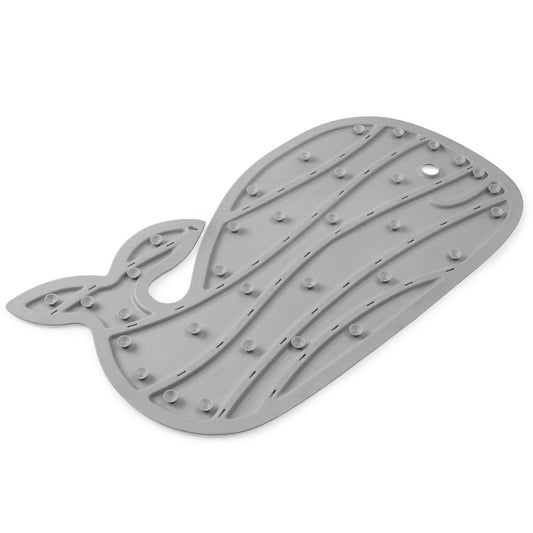
- Golden Rule #4: Prevent slips and falls. Prevent slips by adding a non-skid bath mat to your tub, and cover your faucet and any hardware with guards, rubber, or washcloths.
- Golden Rule #5: Secure the bathroom after use. Drain your tub entirely when you’re through bathing (babies and toddlers can drown in just two inches of water). When you’re done getting your little one squeaky clean, close the door and install a doorknob guard or latch to keep children out of the bathroom while not in use.
The Ultimate Bath Time Checklist
Having these basic essentials on hand and within arm's reach will ensure bath time is enjoyable and stress-free for you and your little one.
- A baby bath tub.
- A super gentle body wash, shampoo, and baby lotion.
- A bath thermometer.
- Baby washcloths and a hooded towel.
- Bath toys.
- A rinse cup or pitcher for pouring water.
- A clean diaper and a fresh set of clothes/pajamas.
- (Optional but amazing) A soft knee pad for you and an elbow rest for the side of the tub.
A Step-by-Step Guide for a Relaxing Bath Time Routine
- Set the Stage: Plan to bathe your baby two to three times a week, and ideally, at the same time of day each time. Dim the lights in the bathroom and perhaps play some soft, calming music.
- Gather Your Gear: Before you even begin running the water, gather all the bath gear you may need and place it right next to the tub.
- Prep the Water: Begin running the bath water before undressing your baby. Double check the temperature of the water with your wrist or a thermometer.
- Gentle Entry: Undress your little one and slowly lower them into the tub, feet first, while maintaining a secure hold.
- The Wash Down: Use a washcloth or pouf to clean your baby. Wipe your baby’s face, neck, and behind their ears, then move to the chest, belly, and back. Wash your baby’s arms and hands, and then lift their arms to wipe the armpits. Wash their diaper area thoroughly, always wiping front to back for girls. Wipe down the legs and feet, making sure you get the grime between toes.
- Bond and Talk: Take some time to bond! Sing nursery rhymes and talk to your baby while you wash them, smile and encourage them to mimic your facial expressions.
- Play Time: Don’t skip out on the fun! Making bath time an engaging and positive experience will ensure your baby looks forward to it. Play with bath toys, splash around, and get silly.
- The Exit Strategy: Once you’re done bathing your baby, carefully lift them out of the tub (babies are slippery!) and immediately wrap them in a hooded towel. Dry them off, paying special attention to areas that are trickier to dry, like their armpits, neck, and between their legs.
- The Post-Bath Cuddle: Apply baby lotion while your little one is still damp so that moisture is locked into your baby’s sensitive skin. This is a perfect time for a gentle baby massage.
- Get Dressed: Diaper and dress your baby, and run a comb through their hair. Hooray! Bath time routine complete.
Troubleshooting Common Bath Time Challenges
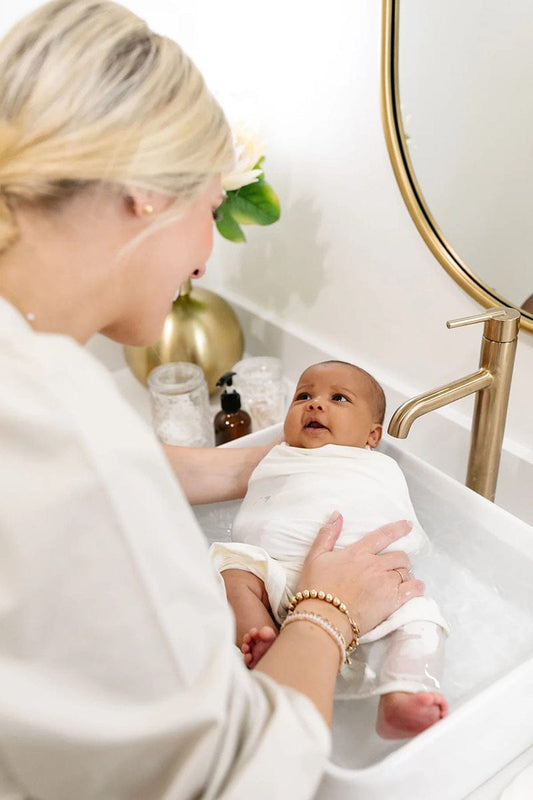
- What if my baby screams and hates the bath? Try swaddle bathing, where you wrap the baby loosely in a receiving blanket and place them in the water, unwrapping one limb at a time to wash. You can also try co-bathing (safely bathing with your baby) or simply using a different type of baby tub.
- How do I wash my baby's hair without getting soap in their eyes? Lean your baby back slightly, supporting their head and neck, and use a rinse cup or a wet washcloth to wet and rinse their hair. You can also buy a special shampoo visor.
- How do I keep my baby warm? Keep the bathroom door closed to trap steam and warmth. During the bath, you can place a warm, wet washcloth on your baby's tummy to help them feel secure and cozy.
By following these steps and keeping your baby’s bath time routine consistent, you can make bath time a relaxing and stress-free experience that’s full of opportunities to bond. Babies thrive with structure, and creating a bath time routine will help keep your baby’s schedule predictable and will reduce bath time resistance in the future. It's a gift of connection and calm you can give to both your baby and yourself at the end of a long day.
Finding What’s Right for You
Albee Baby is the oldest family-owned specialty baby shop in the US, and we pride ourselves on providing our customers with the best assortment of baby products anywhere, at fair prices, always. We’re committed to being an inclusive resource for parents, and hope you’re feeling empowered to find the right baby gear for your family. Still have questions? Feel free to contact our baby gear experts at 877.692.5233 or by email at [email protected].