
 Travel Cribs & Playards
 High Chairs
 Health & Safety


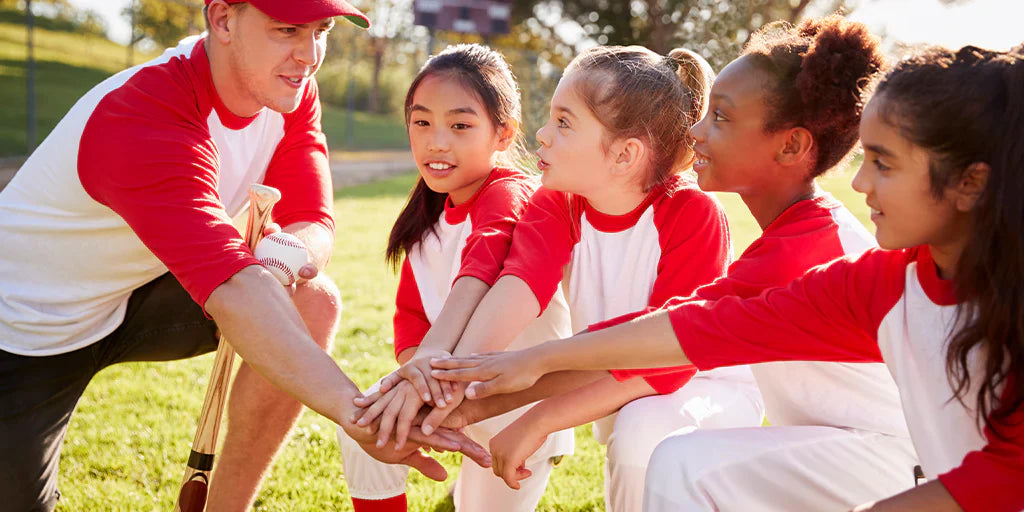
As parents, we all want the best for our children, and introducing them to sports can be a fantastic way to enhance their development. Not only do sports offer a fun way for kids to stay active, but they also foster social skills, teamwork, and discipline. Understanding when and how to introduce sports is crucial to ensuring a positive experience that aligns with your child’s developmental stage and interests.

The Benefits of Early Sports Involvement
Not sure which sport to start with? There’s a ton, so don’t feel too overwhelmed. Here are some of the most popular sports that kids play in the United States, along with the key skills they develop.
- Soccer: Endurance, teamwork, foot-eye coordination. Soccer is one of the most popular team sports for children in the USA. It’s loved for its fast-paced action and the minimal equipment required, making it accessible to many families.
- Basketball: Agility, hand-eye coordination, strategic thinking. Basketball captures the hearts of many young athletes with its dynamic pace and exciting gameplay. The sport’s popularity is boosted by its indoor playability and the influence of NBA and WNBA stars.
- Baseball/Softball: Hand-eye coordination, patience, concentration. Known as America’s pastime, baseball is cherished for its rich history and the strategic depth it offers. It teaches children patience, precision, and the importance of individual roles within a team setting.
- Football (Flag & Tackle): Resilience, strategic planning, teamwork. American football is immensely popular due to its blend of strategic gameplay and physical challenge. Flag football is an excellent, safer starting point for younger children.
- Gymnastics: Strength, flexibility, balance, discipline. Gymnastics is favored for its display of strength, flexibility, and discipline. It allows children to build a strong foundation of physical skills that can benefit them in numerous other sports.
- Swimming: Full-body strength, cardiovascular fitness, life-saving safety. Swimming is a favorite for its health benefits and the life-saving skills it teaches. It is a low-impact sport that enhances cardiovascular fitness and muscle strength without stressing young joints.
- Tennis: Agility, strategic thinking, independence. Tennis is celebrated for combining physical fitness with mental agility and social interaction. It’s a sport that can be started at a very young age and played for a lifetime.
- Track and Field: Personal goal setting, running form, explosive power (jumping/throwing). Track and field encompasses a variety of events that cater to different strengths, making it inclusive for diverse athletic abilities. And it’s great if your kiddo loves to run around but isn’t as hot at catching and hitting or shooting the ball into the hoop.
Appropriate Sports by Age Group
The right age to start sports can vary based on the sport and the child’s readiness. The key is to match the activity to their developmental stage, not their chronological age.
Ages 2 to 5
- Developmental Stage: At this age, children are mastering fundamental movements. They have short attention spans and are highly egocentric. The concept of teamwork is still abstract.
- Focus: Unstructured, fun-based play. The goal is to build basic motor skills like running, jumping, throwing, and catching in a playful environment.
- Great Activities: Tumbling classes, parent-and-me swim lessons, dancing, or simply playing with balls of different sizes in the backyard. The emphasis should be on movement and enjoyment, not rules or competition.
Ages 6 to 9
- Developmental Stage: Children now have longer attention spans, can follow multi-step directions, and are beginning to understand teamwork. Their coordination and balance are significantly improved.
- Focus: Introducing basic rules and structured team sports. This is the time to sample a variety of sports to see what they enjoy.
- Great Sports: Introductory leagues for soccer, T-ball, flag football, gymnastics, swimming, or martial arts. Keep the focus on skill development, participation, and fun.
Ages 10 and Up
- Developmental Stage: Kids can handle more complex sports that require strategic thinking and advanced skills. They have a better understanding of competition and can manage the emotional ups and downs.
- Focus: Deeper skill development and strategic play. Some children may choose to focus on one or two sports they are passionate about.
- Great Sports: Any of the above, but at a more advanced level. This can include basketball, volleyball, tackle football, competitive swimming, and track and field.
Your Role on the Sidelines
Your attitude and behavior have the single biggest impact on your child's long-term enjoyment of sports. Here's how to be their best support system.
- Focus on Fun, Effort, and Sportsmanship: At young ages, the final score is the least important part of the game. Praise your child's effort, their willingness to try something new, and their positive attitude.
- The Car Ride Home is Sacred: This is often where the most damage is done. Avoid critiquing their performance. Instead of "You should have passed the ball more," try asking open-ended questions like, "What was your favorite part of the game?" or simply say the six most important words: "I love to watch you play."
- Let the Coach, Coach: Resist the urge to yell instructions from the sidelines. It's confusing for your child and undermines the coach. Your job is to cheer for everyone on the team.
- Model Good Behavior: Your child is watching how you react to the referees, other parents, and opposing players. Model respect and grace, whether the team wins or loses.
Protecting Your Young Athlete
Keeping your child safe is paramount here. Consider these key considerations:
- Appropriate Gear and Equipment: Invest in high-quality, properly fitting gear that meets safety standards. This not only protects your kiddo but also boosts their confidence.
- Adequate Rest and Recovery: Ensure your child gets enough sleep each night. Incorporate rest days into their schedule to prevent overuse injuries, which are common in developing bodies.
- Proper Nutrition and Hydration: Fueling your child’s body with the right nutrients is vital. A balanced diet provides energy. Hydration is equally important—make sure they have a water bottle at every practice and game.
- Recognizing Burnout and Overuse Injuries: Be vigilant for signs of burnout.
- Physical Signs: Chronic muscle or joint pain, fatigue, a noticeable drop in performance.
- Emotional Signs: A lack of enthusiasm for a sport they once loved, moodiness, or increased irritability.
- Creating a Balanced Schedule: Avoid overscheduling. Balance sports with academic responsibilities, family time, and free time to just be a kid.
Sports: A Lifelong Gift
Introducing your child to sports should be a thoughtful, deliberate process that aligns with their interests and developmental stage. By providing a supportive environment that values fun, effort, and personal growth over a packed trophy case, you can help foster a lifelong love of being active. That is the ultimate victory.
For more detailed advice tailored to your child’s interests and age, or to explore suitable programs, feel free to reach out to sports educators or pediatric sports specialists in your area. Let’s all give our children the gift of active, happy, and healthy lives through sports!


