Travel Cribs & Playards
 High Chairs
 Health & Safety


How to Choose the Right Potty for Your Toddler
Potty training is a significant milestone for you and your kiddo, marking a step towards independence and growing up. And while it’s an exciting (and welcome) process, it can also feel overwhelming. The sheer number of potty chairs, seats, and gadgets can make your head spin. After all, there are so many options—how do you choose the right potty for your toddler? Think of this piece of gear not just as a toilet, but as your child's throne for one of their first major "big kid" accomplishments.
We’re here to help! In this guide, we’ll walk you through everything you need to know to find the perfect potty to make the transition as smooth and stress-free as possible. With the right tools and a lot of patience, you can avoid potty training setbacks and set your kiddo up for success. We’ll cover the signs that show your toddler is ready to start, the different types of potties available, and the key shopping considerations when making your pick. Plus, we’ll explore special features that can make potty time feel like less of a chore for everyone.
Understanding Potty Training Readiness
Yes, the diaper-free life is tempting, but potty training before your kiddo is developmentally ready is a recipe for frustration and failure for everyone. So how do you know if your little one is ready? Look for a combination of signs across these three key areas:
Physical Signs:
- Dry Diapers for Longer Periods: Is your kiddo staying dry for at least two hours during the day or waking up from naps dry? That can indicate that their bladder muscles are developing.
- Predictable Bowel Movements: Regular bowel movements, especially if they happen at predictable times, make it easier to anticipate and succeed.
- Physical Dexterity: Can your kiddo walk to and sit on a potty? Do they have the dexterity to pull their pants up and down? Accomplishing these physical tasks is essential.
Cognitive & Communication Signs:
- Interest in the Potty: Does your child show curiosity about the toilet or seem interested when you (or an older sibling) go to the bathroom?
- Communication Skills: If your toddler can communicate when they need to go, either through words ("I have to go potty!"), facial expressions, or body language (like grabbing themselves or hiding in a corner), it’s a sign they might be ready.
- Following Simple Instructions: Can they understand and follow basic directions like "Let's go sit on the potty"?
Emotional Signs:
- Discomfort with Dirty Diapers: Does your child seem uncomfortable with wet or dirty diapers? If they start asking for a diaper change, they might be ready to use the potty instead.
- Increased Independence: An interest in doing things independently, like dressing themselves or wanting to be a “big kid,” can indicate readiness for potty training.
The Importance of Timing in Potty Training Success
Timing is everything when it comes to potty training. If you start too early, it can be frustrating for you and your child. On the flip side, starting too late might mean extra, unnecessary months in diapers and increased resistance. Here’s why it matters:
- Less Stress and Frustration: When your toddler is truly ready, the process is faster and involves fewer power struggles. Pushing them before they’re ready—or waiting too long—can lead to resistance and setbacks.
- Fewer Accidents: While it’s true that potty training is always messy, kiddos who are physically and emotionally ready for potty training have fewer accidents.
- More Positivity: A well-timed start can help make potty training a more upbeat process with fewer tears. A toddler who’s ready to train will have less anxiety and fear about learning a huge new skill.
It’s important to remember that readiness is not a race. Ignore pressure from friends, family, or what you see on social media. Every child is different, and there’s no one-size-fits-all age. Some kids may be ready as early as 18 months, while others might not be ready until they’re three years old or even older, and that's perfectly normal.
Types of Potties
From simple standalone potties to deluxe models that “flush,” we’ve got the scoop on all things potty. You’ll see These different types of potties once you start shopping.
Standalone Potty Chairs
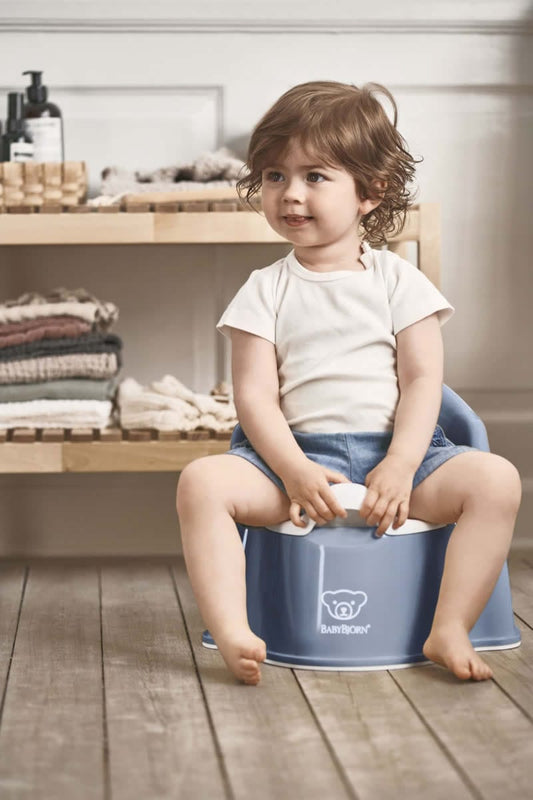
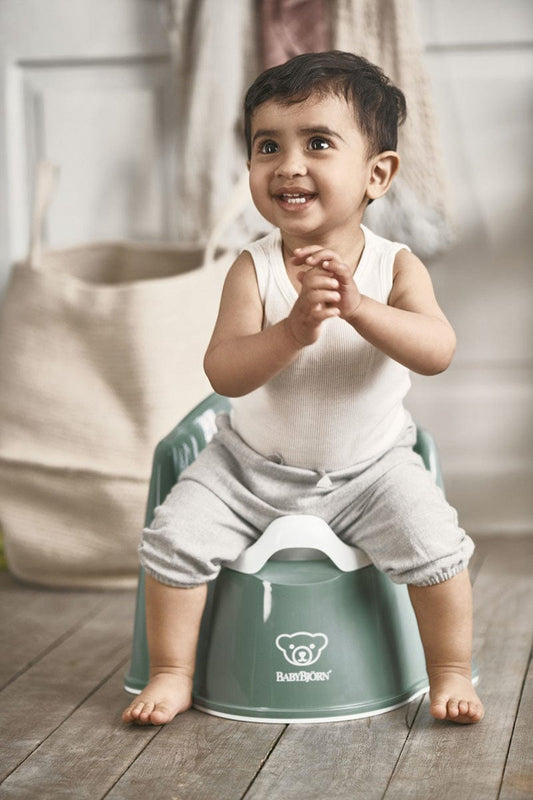
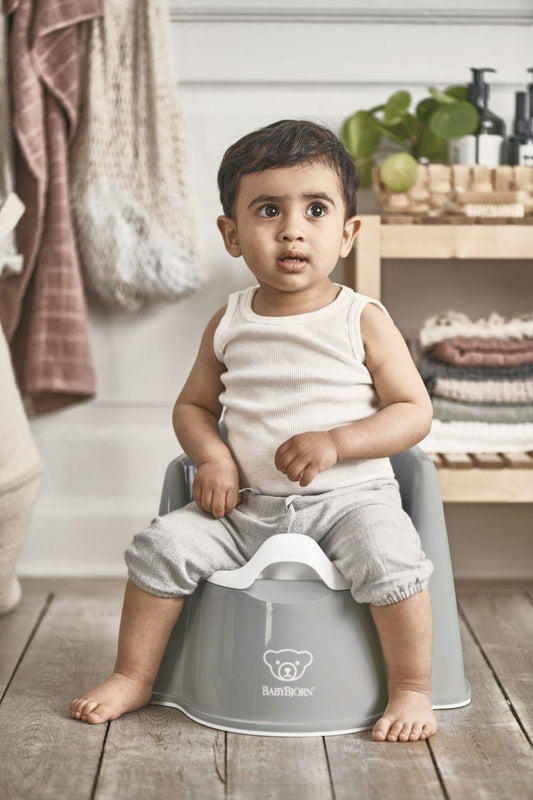
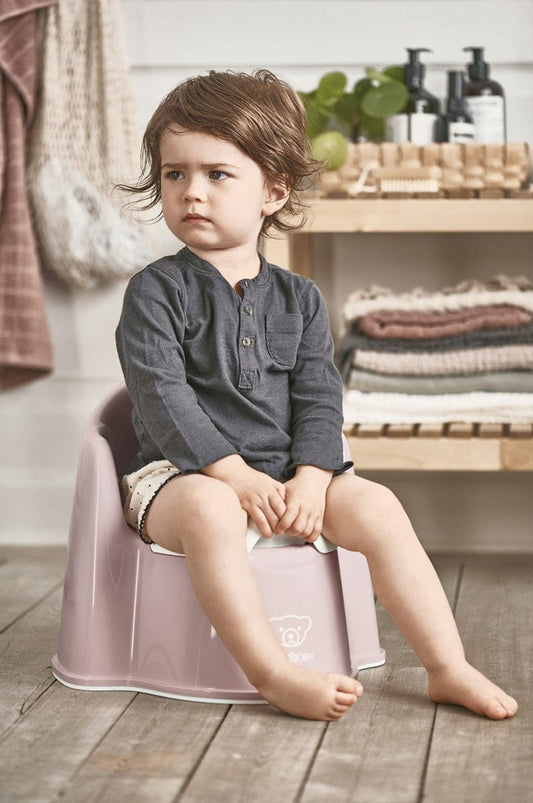
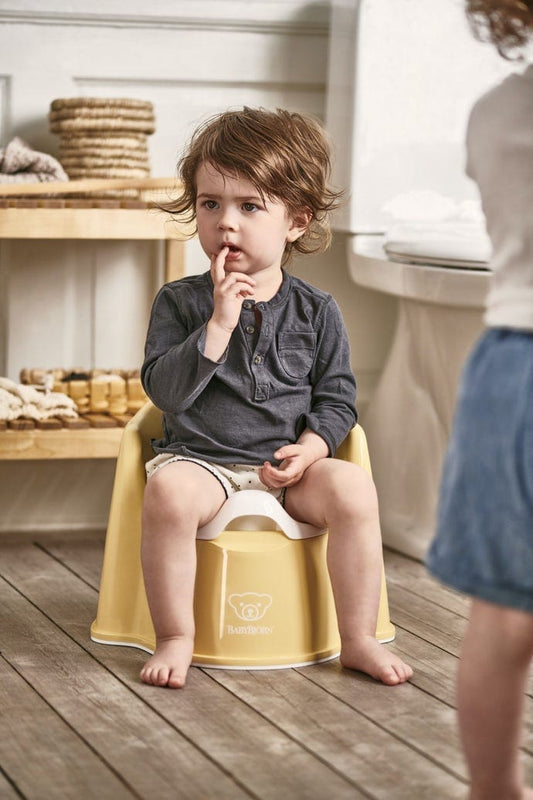
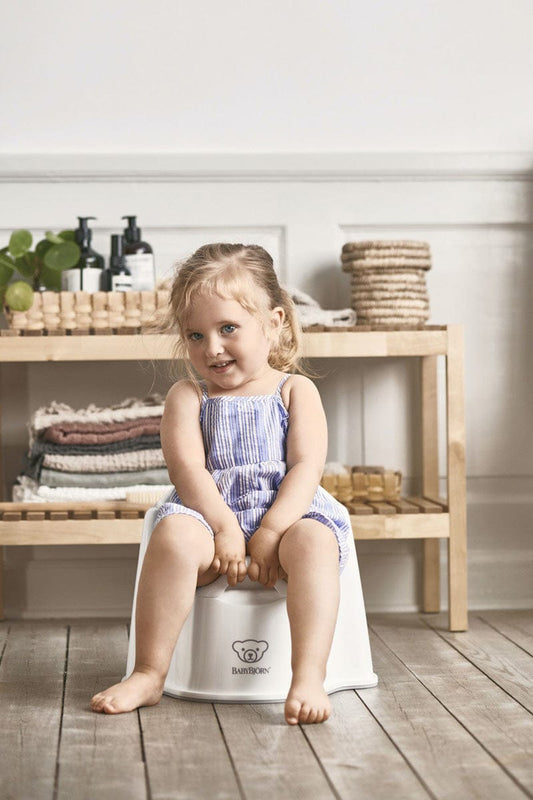
Standalone potty chairs are small, self-contained potties that sit directly on the floor. They’re designed specifically for little ones and are a popular choice for many parents. Here’s why they could be right for you:
- Kiddo-Sized Comfort: These potties are perfectly kiddo-sized and less intimidating than the grown-up potty. They make getting on and off the potty seat easy for toddlers and can help them feel more secure and comfortable.
- Easy to Move Around: A potty chair can be used in any room, which is super handy during the early stages of potty training.
- Simple to Clean: Most have a removable bowl that makes cleanup quick and easy.
- Fun Designs: Many come in fun colors and designs, sometimes even with your child’s favorite characters. Will it make potty training more appealing to your toddler? Who knows! But it’s worth a shot.
Potty Seats for Regular Toilets
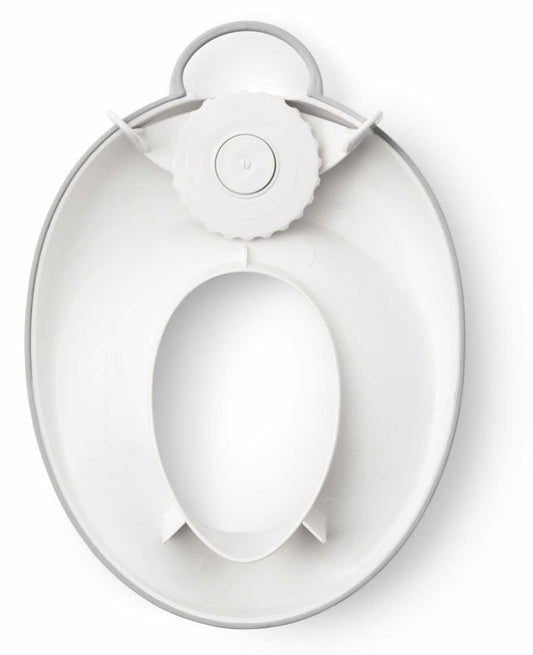
Potty seats (or potty rings) fit on your regular toilet seat. They’re a great option if you want to get your child used to the big toilet from the start. Here’s why you might love them:
- Space-Saving: Since your toddler uses your existing toilet, potty seats don’t take up extra space in your bathroom.
- Easy Transition: They help your kiddo get used to the toilet they’ll be using long-term, right from the start.
- Less Mess: There’s no extra bowl to clean out—everything goes straight into the toilet. (If you’re potty training a boy, make sure the potty seat has a splash guard!)
Travel Potties
Travel potties are lightweight, portable, and perfect for families on the go. And don’t think they’re only a must-have for actual travel—they’re pretty handy for errand running and waiting in the carpool line for an older sibling, too.
- Compact and Lightweight: These potties are easy to pack up and carry, making them ideal for road trips, vacations, or even a day out. Don’t forget, public toilets and tiny tushes aren’t compatible.
- Versatile: Some travel potties can also be used as potty seats on regular toilets, and we love multi-functional baby gear.
- Disposable Liners: Many include disposable liners, making clean-up a breeze when you’re away from home.
2-in-1 or Convertible Potties
2-in-1 or convertible potties offer the best of both worlds: They can be used as standalone potty chairs and converted into potty seats for regular toilets as your toddler grows. Here’s why they’re a smart choice:
- Wallet-Friendly: You get two products in one, saving you a few bucks in the long run. Score!
- Longer Use: These potties grow with your kiddo, so they’re convenient and useful through different stages of potty training.
Factors to Consider When Choosing a Potty
Keep your family’s lifestyle and your toddler’s temperament in mind will help ensure the perfect fit.
- Size and Comfort: The potty should be low enough for your child to sit on easily with their feet flat on the floor. A comfy seat will encourage them to sit long enough to relax and go.
- Stability (Non-Slip Base): The last thing your toddler needs is a potty scootching out from underneath them! A potty with a non-slip rubber base will stay put.
- Ease of Cleaning: If you’re choosing a potty chair, look for one with a deep, smooth, removable bowl for easy emptying and rinsing. Fewer crevices mean fewer places for germs to hide.
- Effective Splash Guards: For boys, you’ll need a potty with an adequate splash guard to minimize messes. Just make sure it’s not so high that it's uncomfortable or difficult for them to sit down.
- Portability & Storage: Do you want a potty you can move from the bathroom to the playroom? Look for a compact, lightweight design. If you're short on space, consider a potty seat that can hang on the toilet or a folding travel potty.
- Child's Temperament: Do you have an anxious kiddo who might find the loud flush and height of the big toilet overwhelming? A small, quiet standalone potty might be best. Is your child a fearless mimic who wants to do everything you do? A potty seat on the main toilet might be a hit.
- Fun Factor: While not essential, features like fun colors, favorite characters, or realistic flushing sounds can make the potty more appealing and less intimidating for a hesitant toddler.
What Other Gear Do You Need to Potty Train?
Potty training involves more than just the right potty. Having the right gear can make the process smoother and more comfortable for both you and your child. Here are some essentials to consider:
- Wipes: File this under things we wish we’d known: You will wipe your kiddo’s hiney for years. Diaper wipes making wiping easier and get your kiddo cleaner while they master doing it themselves.
- Training Undies: A great transition from diapers to regular underwear. They come in various styles, from lightly padded to more absorbent, helping your child feel the sensation of wetness without creating a huge puddle.
- Potty Books & Videos: Stories featuring their favorite characters learning to use the potty can make the process less intimidating and more relatable.
- Easy-On, Easy-Off Clothing: Elastic waistbands are your best friend. Avoid anything with complicated buttons, snaps, or zippers to empower your child to undress quickly and independently.
- Step Stool: Essential if you’re using a potty seat on a regular toilet. It helps your kiddo reach the toilet, provides a place for their feet to rest for better potty posture, and allows them to reach the sink to wash their hands.
- Cleaning Supplies: Accidents are a normal and expected part of the process. Keep a stash of paper towels, a good enzymatic cleaner (to truly eliminate odors), and extra clothes handy to handle them calmly and without fuss.
Tips for Encouraging Potty Use
Potty training is an exciting yet challenging time for you and your little one. We’ve rounded up tried-and-true tips and tricks to make the potty training journey a little smoother for both of you.
Involve Your Toddler in Potty Picking
Letting your child have a say in choosing their potty might make them more excited to use it. Take them shopping and let them pick out a potty they like. Whether it’s a bright color, a fun character, or a realistic flushing sound, letting them choose can make them feel more in control and eager to use their new potty.
Empower Their Choices
Explain the different options and let them decide which one they like best. When they feel like they’ve made the choice, they’re more likely to take ownership and be enthusiastic about using it.
Stay Positive
Creating a calm and positive environment around potty training is critical. Avoid pressuring your child and try to keep potty time a relaxing. Praise their efforts, even if they don’t succeed every time. A little cheerleading goes a long way.
Comfort and Reassurance
Let your child know that accidents are okay and part of the learning process. Reassure them that they’re doing a great job and that you’re proud of them for trying. Your support and encouragement will help them feel more confident.
Using Incentives and Rewards
Rewards can be a great motivator. Use a potty training chart where your toddler can add a sticker every time they do any task successfully (communicating they need to go, sitting on the potty, going on the potty, getting their pants up, etc.). Watching their progress is satisfying! Once they reach a certain number of stickers, they can earn a small reward, like a new knick-knack or a special treat.
Consistency and Routine
Toddlers, like all of us, thrive on routine, so try to establish a regular potty schedule. Encourage your child to use the potty at consistent times throughout the day, like after meals, before bedtime, and when they wake up. Consistency helps them understand when it’s time to go and builds good habits.
Model the Behavior
Children learn by watching, so let them see you using the toilet and explain what you’re doing (parenting is bananas!). Narrating normal trips to the bathroom can demystify the process and show them that using the potty is a part of daily life.
Finding What’s Right for You
Albee Baby is the oldest family-owned specialty baby shop in the US. We pride ourselves on providing our customers with the best assortment of baby products anywhere, at fair prices, always. We’re committed to being an inclusive resource for parents and hope you feel empowered to find the right baby gear for your family. Still have questions? Feel free to contact our baby gear experts at 877.692.5233 or [email protected].