Travel Cribs & Playards
 High Chairs
 Health & Safety


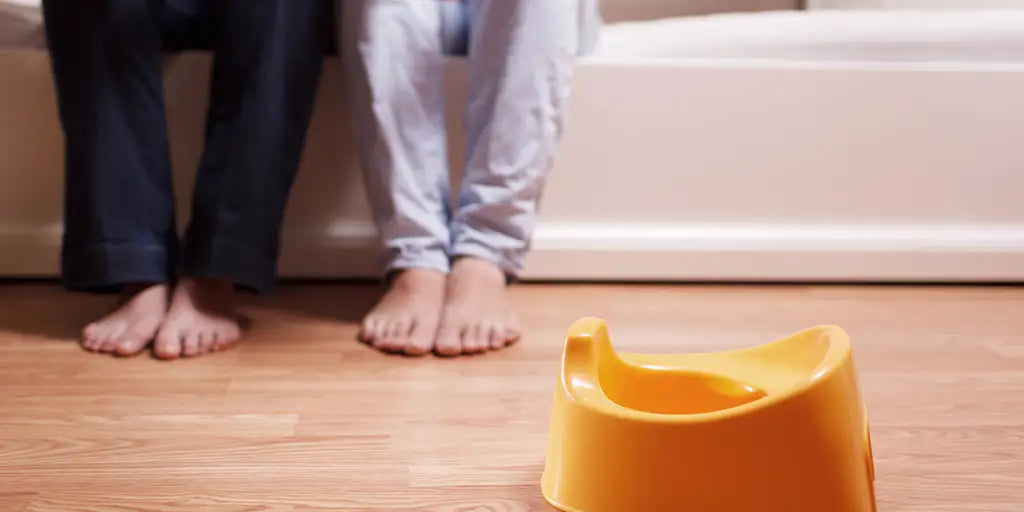
If you’re reading this, chances are you’re in the middle of potty training or gearing up for it (hugs). We totally get it—potty training can be a challenging, overwhelming, and sometimes confusing journey. You’ve probably read a lot about potty training: When to start, how to do it, and every tip or trick under the sun. But maybe you’re not so sure about what not to do.
We’ve been there, and even well-intentioned parents make potty training mistakes. But, there are some key behaviors parents should steer clear of during the potty training process. We’ll cover the basics of potty training, share tips for a (moderately) less stressful experience, and share tried-and-true advice on common potty training mistakes to avoid in hopes of setting your toddler up for success.
When Do Most Kids Begin Potty Training?
Most toddlers start showing signs of potty training readiness between 18 and 30 months, but it’s different for every kiddo. Some might be ready early, while others might take more time. (Of course, does anyone else roll their eyes when told, “Don’t worry! They won’t go to college in diapers!” Just us?)
According to the American Academy of Pediatrics (AAP), the average age for neurotypical children to begin potty training is between 2 and 3 years old. Children with special needs are typically completely potty trained by age 5.
It’s important to remember that children typically become daytime potty trained before they stay completely dry overnight. Nighttime dryness is a physiological process controlled by hormones and brain development, not a skill that can be taught or rushed. Using overnight pull-ups or diapers for a while longer is perfectly fine—it can help ease the transition and save you a few loads of laundry.
Read more: Potty Training 101: When and How to Start (publish TBD)
Signs Your Child Is Ready to Potty Train
Trying to potty train before your toddler is developmentally ready is an exercise in futility (ask us how we know). While every kiddo is unique, some common signs can help you know when it’s time to begin this exciting new chapter. Look for a constellation of these signs, not just one, to get the full picture. Here’s what to look for to ensure your little one is ready to ditch the diapers:
- Interest or curiosity in using the potty.
- A dry diaper for longer than usual (generally 2+ hours).
- A regular, predictable poop schedule.
- Discomfort in a wet or soiled diaper.
- Waking up dry after a nap.
- Copying you (or an older sibling) going to the bathroom.
- Telling you they need to or have gone to the bathroom (or can follow simple two-step commands).
Potty Training Mistakes to Avoid
Potty training can come with its fair share of challenges. Knowing what common mistakes to avoid can make the process successful (and save yourself some tears).
Starting Too Early
It can be tempting to start potty training early—freedom from diapers!—but timing matters. Like other exciting milestones (first steps, first words), every kid reaches this stage at their own pace. Jumping into potty training too soon can backfire, making the process longer and definitely more frustrating.
- The Mistake: When you start too early, your child might not possess the physical (bladder muscle control) or cognitive (brain-body connection) readiness to succeed. Instead of building confidence, too-early potty training can result in resistance, setbacks, and more accidents, leaving everyone feeling frazzled.
- What to Do Instead: Trust the signs, not the calendar. Instead of working on a timeline dictated by age or preschool deadlines, focus on the developmental signs of readiness (see above) and allow that to guide you.
Starting During a Stressful Time
Life (and parenting) is full of intense ups and downs: Maybe you’re moving, welcoming a new baby, or prepping for the holidays. Adding potty training to the mix can feel overwhelming during these stressful periods—not just for you, but for your toddler, too.
- The Mistake: Kids are incredibly intuitive and sensitive to their surroundings. A toddler's developing brain has limited bandwidth; when it's busy processing a major life change, there's little room left to master a complex new skill. Stressful situations can make it harder for your kiddo to adapt to new routines, including learning a new way to go poop.
- What to Do Instead: Prioritize stability. If your family has anything major on the horizon, hit the brakes on potty training. Wait until the dust settles and your child feels secure in their routine before introducing another big change.
Using Negative Reinforcement
Potty training can be frustrating, slow-moving, and seemingly endless. Unsurprisingly, it doesn’t always bring out the best in us (parents are human, too). It’s not always easy, but try to keep a positive, upbeat attitude with your potty-training toddler.
-
The Mistake: Using negative reinforcement or punishment when things don’t go smoothly can create more problems than it solves. It can cause a child to associate a natural bodily function with fear, shame, or parental disappointment, leading to:
- Fear and anxiety about using the potty.
- Resistance to using the potty.
- Withholding to avoid using the potty.
- Regression and increased accidents.
- What to Do Instead: Become a potty coach, not a potty critic. Positive reinforcement—and a little compassion—is a far more effective approach. Praise the effort, not just the result. Say things like, "You did a great job listening to your body!" or "Wow, you told me you had to go! Let's try to make it next time." Celebrate every victory, no matter how small, and heap on the extra TLC.
Ignoring Constipation
Constipation might not be the first thing that comes to mind when you think about potty training, but it’s an important consideration. Ignoring your kiddo being backed up can make the whole process much more challenging for your toddler and lead to frustrating setbacks.
- The Mistake: When your child is constipated, using the potty can be uncomfortable or even painful. This creates a powerful negative feedback loop in their brain: pooping hurts, so they hold it in, which only worsens the constipation and makes the next bowel movement even more painful.
- What to Do Instead: Become a "poop detective." Watch for signs of constipation, like infrequent bowel movements, hard, pebble-like stools, or discomfort when going. Focus on the "Four Fs": fluids, fiber, fruits, and physical activity. Including high-fiber sides at every meal and keeping them well-hydrated can help keep things moving smoothly. If constipation becomes a persistent issue, don’t hesitate to reach out to your pediatrician for advice.
Comparing Your Child to Others
Potty training can be a tricky journey, and it’s easy to find yourself comparing your toddler’s progress to their peers (or siblings). But every child develops at their own pace, and comparing timelines can create unnecessary anxiety and pressure.
- The Mistake: You might worry that your child is falling behind or that you’re doing something wrong. Your stress will be sensed by your toddler, in turn making them feel pressured and anxious about the potty. The process stops being about their body and starts being about your expectations.
- What to Do Instead: Put on your parental blinders. Embrace a personalized approach to potty training that fits your child’s personality and motivations. Every child responds differently to various methods, so it’s worth experimenting to see what works best for your kiddo. Your child's only competition is their own progress from yesterday.
Making Your Child Sit on the Potty for Too Long
It’s important to give your kiddo time to use the potty—no one appreciates feeling rushed—but making them sit until they go isn’t always the best approach. When introducing potty training, many parents make the mistake of going to the potty too frequently and forcing their toddler to sit for too long.
- The Mistake: Extended periods on the potty can lead to frustration, discomfort, and a sense of pressure for your little one. It can easily turn into a power struggle, with the potty becoming a place of conflict rather than a helpful tool.
- What to Do Instead: Keep potty sessions short, sweet, and pressure-free. Encourage your child to sit for a few minutes at a time. Try using a timer, reading one short book, or singing the ABCs twice. If nothing happens, reassure them that it’s okay and that their body wasn't ready. Say, "Great trying! Let's try again after our snack."
Being Afraid to Pause Potty Training
Potty training can be a rollercoaster, and sometimes it feels like you’re making great progress, only to hit a bump in the road. One common mistake many parents make is refusing to pause potty training when things aren’t going well.
- The Mistake: It’s natural to want to keep pushing forward, but sometimes taking a step back is the best way to move forward. Forcing it when your child is clearly resistant or struggling just reinforces the power struggle and any negative feelings they have about the potty.
- What to Do Instead: Call a "potty vacation." If your kiddo is struggling, showing increased resistance, having frequent accidents, or just seems disinterested, it’s okay to hit pause. Take the pressure off for a week, a month, or however long it takes. Go back to diapers and simply say, "It looks like we're not quite ready for the potty. We'll try again when we're a little bigger!" This is not failure; it's smart strategy.
Overreacting to Accidents
Accidents are an inevitable part of potty training, and we can tell you: It’s going to be messy. But how we react to them will make a huge impact on how successful potty training is.
- The Mistake: Reacting with frustration, disappointment, or anger can create anxiety for your child, making them feel like they’ve failed. Your big reaction turns a simple mishap into a major emotional event, which can make them afraid to even try for fear of disappointing you.
- What to Do Instead: Adopt a calm, neutral mantra. Treat accidents as learning opportunities. Gently remind your child that it’s okay and that accidents happen. Offer reassurance and help them clean up without making a big deal out of it. You might say something like, “Oops, pee goes in the potty. No big deal. Let’s get you some clean clothes.”
Ignoring Your Child’s Feelings
Potty training is a big step for your toddler, and it’s not uncommon for children to have fears or anxieties about the whole deal. Common fears include the loud flushing sound, the fear of falling in, or the splash of water.
- The Mistake: Dismissing their worries ("Don't be silly, it's just a toilet!") or pushing them too hard can lead to increased anxiety and resistance. It tells your child that their feelings are not valid, which can damage their trust in you.
- What to Do Instead: Acknowledge, validate, and problem-solve. Show empathy and understanding. Say, "I can see the loud flush is scary for you. It is really loud! How about we wait to flush until after you've left the bathroom?" By acknowledging their feelings, you create a supportive environment that encourages them to take those important steps towards success.
Using Pull-Ups
Pull-ups and diapers are very absorbent, which is great for keeping babies comfy but not so helpful when it’s time to potty train.
- The Mistake: They’re so effective at keeping kiddos dry that they don’t experience the immediate, uncomfortable sensation of being wet—a key "cause and effect" moment in learning to use the potty. Since they feel so similar to diapers, your kiddo might not feel the urgency to rush to the potty.
- What to Do Instead: Use pull-ups strategically, not as a crutch. Switch to training pants or regular underwear during active training times at home. This allows your child to feel when they’re wet, helping them connect the sensation with the need to use the potty. Use pull-ups as a safety net for naps, nighttime, or long car rides. A great compromise is to have your child wear underwear inside a pull-up. This way, they’ll still feel the wetness, but you’ll have less to clean up.
Finding What’s Right for You
Albee Baby is the oldest family-owned specialty baby shop in the US. We pride ourselves on providing our customers with the best assortment of baby products anywhere, at fair prices, always. We’re committed to being an inclusive resource for parents and hope you feel empowered to find the right baby gear for your family. Still have questions? Feel free to contact our baby gear experts at 877.692.5233 or [email protected].