Travel Cribs & Playards
 High Chairs
 Health & Safety


How to Turn Mealtime into a Fun Experience for Your Child
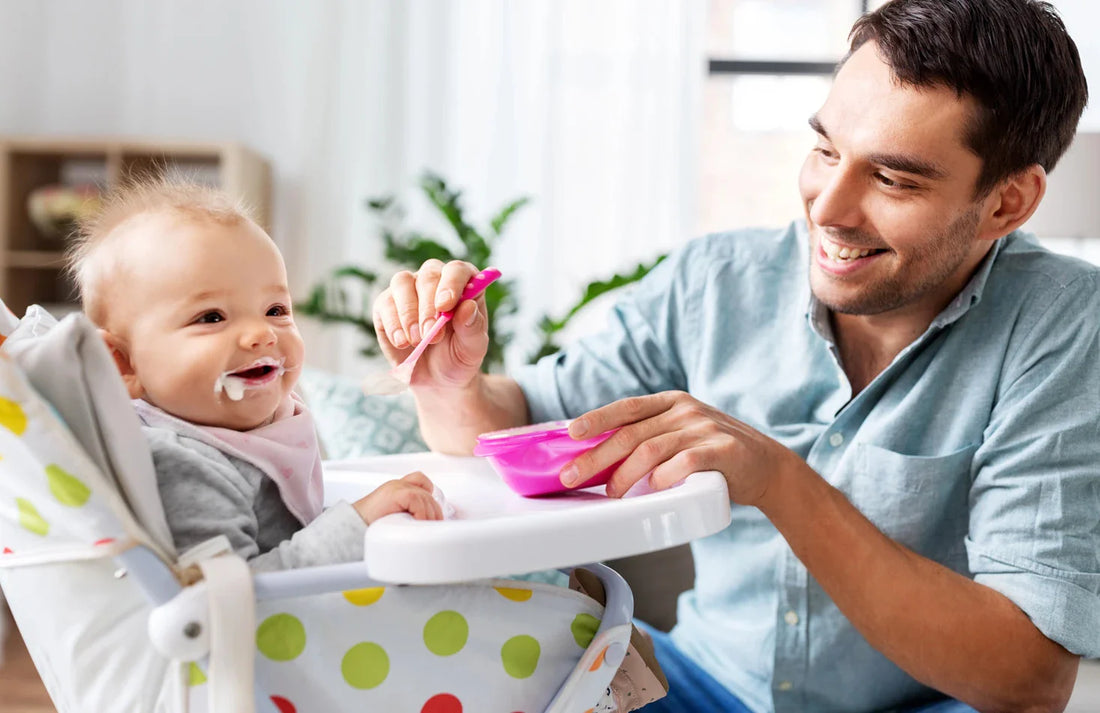
As a new parent, mealtime with your baby can be both exciting and challenging. Watching your little one explore new tastes and textures is a joy, but mealtime can also be a source of stress and frustration. It's a time of incredible learning and development, where your child not only discovers nutrition but also hones fine motor skills, sensory processing, and even social cues. However, common hurdles like picky eating, short attention spans, or power struggles can sometimes overshadow the positives.
One way to make mealtime fun for your baby and toddler is to incorporate games and activities into their high chair routine. In this blog post, we will explore how to make mealtime an enjoyable experience for your baby by discussing the importance of a stress-free eating environment and providing a range of high chair games that involve eating and food exploration.
The Importance of a Stress-Free Eating Environment
Creating a stress-free eating environment is key to making mealtime fun for your baby. Babies are highly intuitive and can pick up on their parent’s emotions and stress levels. If mealtime is stressful for you, it will be stressful for your baby too. That’s why it’s essential to create a calm and relaxed atmosphere during mealtime.
Creating a stress-free eating environment is key to making mealtime fun for your baby. Babies are highly intuitive and can pick up on their parent’s emotions and stress levels. If mealtime is stressful for you, it will be stressful for your baby too. That’s why it’s essential to create a calm and relaxed atmosphere during mealtime. A positive environment does more than just reduce stress; it encourages curiosity about food, supports healthy eating habits, and can make children more receptive to trying new things. When mealtimes are enjoyable, children associate food with positive feelings, which is foundational for a lifetime of healthy eating.
Foundational Principles for Positive Mealtimes
- Embrace the Division of Responsibility: A cornerstone of stress-free feeding, developed by feeding expert Ellyn Satter, is the Division of Responsibility (sDOR). In this approach: Parents are responsible for what, when, and where food is offered. Your child is responsible for how much they eat and whether they eat what is offered. Trusting your child to listen to their hunger and fullness cues can alleviate immense pressure from both of you.
- Manage Your Expectations: Not every meal will be perfect, and that's okay. Some days your child will eat a lot, other days very little. Avoid pressuring, bribing, or forcing your child to eat, as this can create negative associations with food and mealtimes. Remember, exposure to new foods is a win, even if they don't eat it immediately. It can take many exposures for a child to accept a new food.
- Model Healthy Habits: Children learn by watching you. Eat with your child whenever possible and show enjoyment for a variety of healthy foods. Your positive attitude towards food is contagious.
- Establish a Routine: Consistent meal and snack times help children feel secure and understand when to expect food. This predictability can reduce anxiety around hunger.
Tips for Creating a Stress-Free and Positive Eating Environment
- Set the mood: Creating a calm and relaxed atmosphere can make mealtime enjoyable for your baby. You can do this by dimming the lights, playing soothing music, and avoiding distractions like the TV or phone. Turning off screens allows for better focus on eating and family interaction.
- Be present: During mealtime, it’s essential to give your baby your undivided attention. By focusing on your baby, you can make them feel loved and supported, encouraging them to explore their food. Engage in pleasant conversation, even if your baby isn't talking yet. Describe the food, talk about your day, and make eye contact.
- Be patient: Don’t rush your baby to eat or try new foods. Let them explore their food at their own pace, and don’t get frustrated if they don’t finish their meal. Mealtime is about exploration, not just consumption. Allow ample time for meals, understanding that young children often eat slowly and may be easily distracted by the sensory experience of eating.
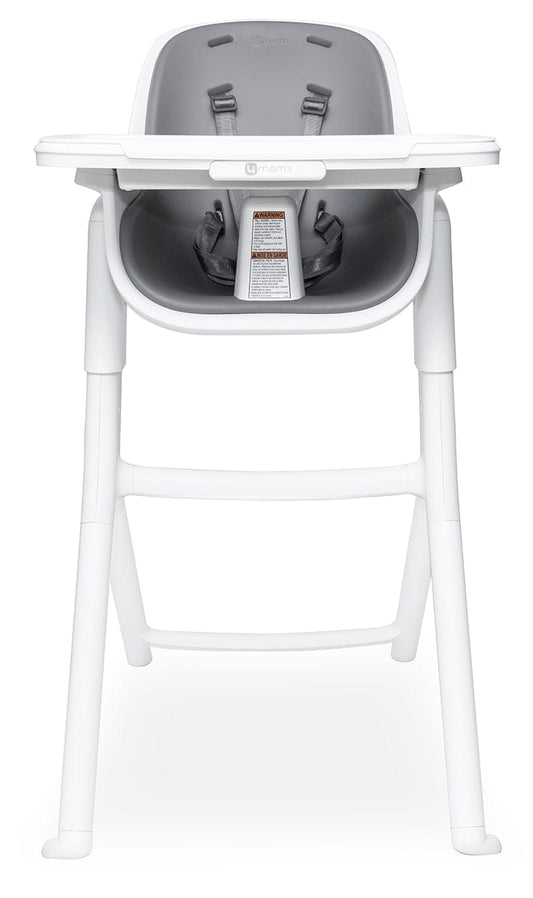
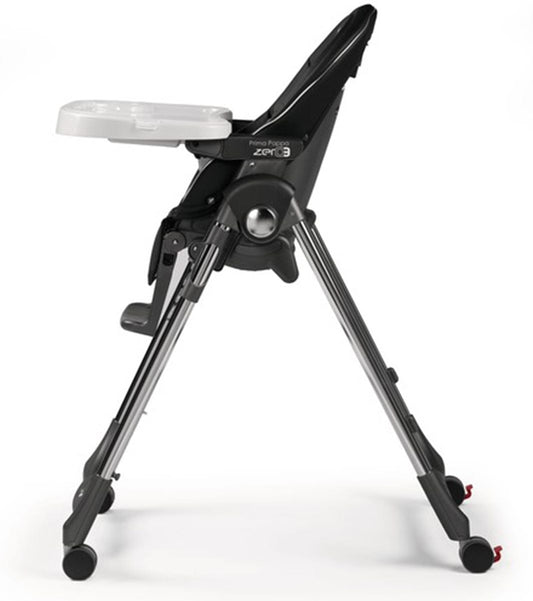
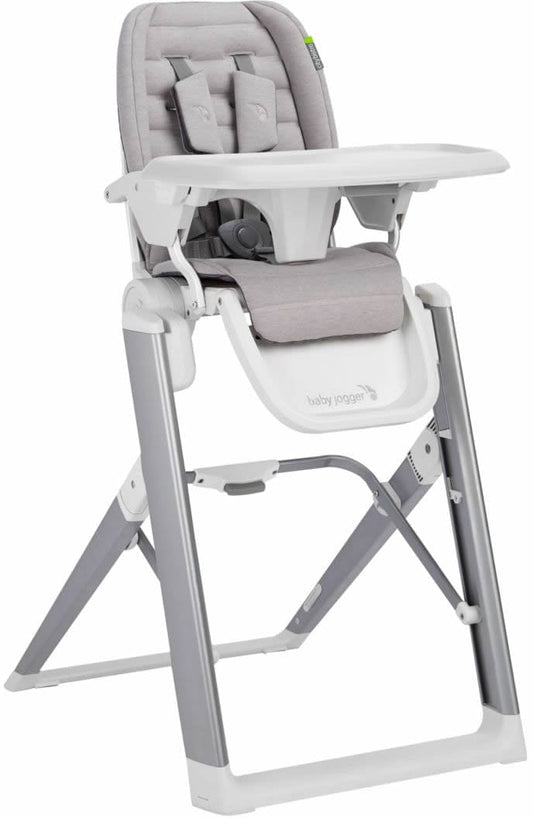
- Comfort is Key: Ensure your child is comfortably and safely seated in their high chair. An adjustable footrest can provide stability and support, which is important for comfortable eating. Straps should be secure but not overly tight.
- Keep it Clean (ish): While embracing some mess is part of the fun (more on that later!), starting with a clean high chair and tray creates a more appealing environment.
Embracing the Mess
Before diving into specific games, it's important to acknowledge and even celebrate the mess! Allowing your child to touch, squish, smell, and yes, even make a mess with their food is incredibly beneficial for their development.
- Sensory Exploration: Messy play engages all the senses, helping children learn about different textures, temperatures, and properties of food. This can make them more comfortable and adventurous with new foods.
- Fine Motor Skill Development: Picking up small pieces of food, squishing, spreading, and bringing food to their mouth all help develop crucial fine motor skills and hand-eye coordination.
- Reducing Food Neophobia (Fear of New Foods): When children can interact with food in a playful, no-pressure way, it can reduce anxiety around trying new things.
- Fostering Creativity and Imagination: Food can become a tool for art and imagination, making the experience more engaging.
Tips for Managing the Mess (So You Can Relax!)
- Use a splat mat under the high chair.
- Opt for easy-to-clean bibs (silicone or full-coverage sleeved bibs are great).
- Choose a high chair designed for easy cleaning, with minimal crevices and wipeable surfaces.
- Have wipes and a damp cloth handy.
- Remember, the learning benefits often outweigh the cleanup time!
Our Favorite High Chair Game (This One’s for Toddlers)
Playing “Guess That Food” with your toddler in their high chair can be a fun and interactive way to make mealtime more enjoyable for both you and your little one. This game is not only entertaining but also beneficial for your child’s development.
How to Play “Guess That Food” with a Toddler
Playing “Guess That Food” with your Little One is easy and can be done with everyday foods that you have at home. Here are the rules to follow:
- Choose a variety of foods: Select a few different types of foods with varying textures and flavors, like fruits, vegetables, crackers, or cheese.
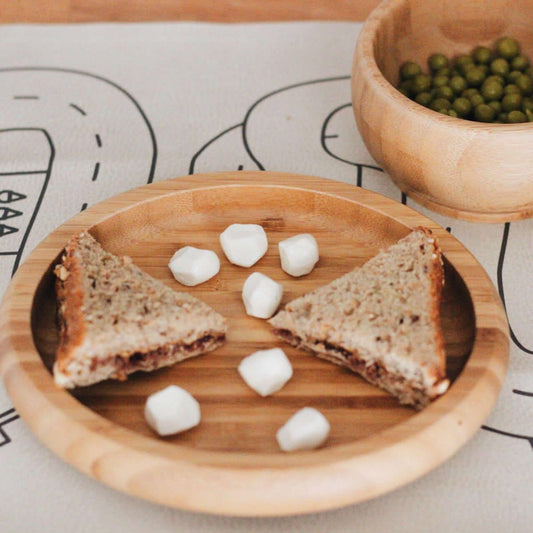
- Cut the food into small pieces: Cut the food into small, bite-sized pieces that are easy for your toddler to chew and appropriate for their age to prevent choking hazards.
- Blindfold your toddler: Use a soft cloth or a napkin to cover your toddler’s eyes, or simply have them close their eyes and tell them not to peek. Toddler sleep masks work well here, too. For younger toddlers or those hesitant about a blindfold, you can skip this and just have them close their eyes, or simply focus on describing the food's properties without the guessing element.
- Offer a piece of food: Offer a piece of food to your toddler and encourage them to guess what it is based on the taste and texture. Give them hints if they are having trouble guessing.
- Praise your toddler: Praise your toddler for their efforts, whether they guess the food correctly or not.
- Repeat: Repeat the game with different types of food until your toddler gets bored or loses interest.
Benefits of “Guess the Food” for Toddlers
Playing “Guess That Food” with a toddler in their high chair can offer several benefits for their development. Here are some of the best reasons to play this game:
- Encourages exploration: “Guess That Food” can encourage your toddler to explore new types of food and develop their palate. By trying different types of food, your toddler can learn to appreciate a variety of flavors and textures.
- Develops communication skills: Playing the game can help your toddler develop their communication skills by describing the taste, texture, and flavor of the food. This can help them develop their vocabulary and communication skills. Ask open-ended questions like, "What does that feel like in your mouth?" or "Is it crunchy or soft?"
- Promotes healthy eating habits: By introducing new types of food during the game, you can promote healthy eating habits and encourage your toddler to try new types of fruits and vegetables.
- Stimulates the senses: Playing “Guess That Food” can stimulate your toddler’s senses, including their sense of taste, smell, and touch.
- Encourages problem-solving skills: Trying to guess the food can encourage your toddler to use their problem-solving skills to figure out what type of food they are eating.
Rules to Follow for a More Enjoyable Game
To make the game more enjoyable for your toddler, here are some rules you can follow:
- Keep the portions small: Offer small pieces of food to your toddler so that they can try multiple types of food during the game.
- Use positive reinforcement: Praise your toddler for their efforts, whether they guess the food correctly or not. Positive reinforcement can help your toddler feel encouraged and motivated to keep playing.
- Be patient: Give your toddler time to taste the food and guess what it is. Don’t rush them, as the game is meant to be fun and stress-free.
- Keep it age-appropriate: Choose foods that are appropriate for your toddler’s age and chewing abilities. Make sure the food is cut into small, bite-sized pieces that are easy for them to chew. Always supervise closely.
More High Chair Games That Involve Eating
Now that you know how to create a stress-free eating environment and have exhausted the novelty of “Guess the Food,” it’s time to explore some more high chair games that involve eating. These games are designed to make mealtime fun and engaging for your baby, encouraging them to explore new tastes and textures. Why not try:
- Food Art: Food art is a fun way to encourage your baby to explore their food and get creative. Use different-colored fruits and vegetables to create fun designs on their plate. You can also use cookie cutters to shape their food into fun shapes, like stars or hearts. By making mealtime visually appealing, you can help your baby develop a positive relationship with food.
- Taste Test: Creating a taste test is a great way to introduce your baby to new tastes and textures. Offer your baby different types of food to try, like fruits, vegetables, or different types of cereal. Encourage them to try each food and ask them to describe the taste and texture. This game can be a fun way to help your baby develop their palate and explore new flavors. It’s like “Guess the Food” without the blindfold and mystery elements. Benefit: Direct comparison helps them identify preferences and learn new vocabulary for tastes and textures.
- Food Bingo: Creating a food bingo card is a fun way to encourage your baby to try new foods. Print out a bingo card with different types of food on it, like strawberries, broccoli, or peas. Encourage your baby to try each food and mark it off on their bingo card. You can even offer a small prize, like a sticker or a piece of fruit, for completing their bingo card. This game can help your baby develop a sense of accomplishment and encourage them to try new things.
- Messy Eating: Sometimes, it’s okay to let your baby make a mess. Messy eating is a fun way to encourage your baby to explore the different textures of their food. Let your baby squish, mash, or smash their food, and don’t worry about the mess. You can always clean it up later. By allowing your baby to play with their food, you can help them develop a positive relationship with eating.
- Food Sculptures: Creating food sculptures is a fun way to get creative with your baby’s food. Use different types of food to create sculptures, like mashed potatoes to create a mountain or carrots and broccoli to make a tree. Encourage your baby to help you create the sculptures, and then let them eat their creations. This game can help your baby develop their creativity and imagination while also encouraging them to try new types of food.
- Sensory Play w/ Food: Sensory play is a fun way to encourage your baby to explore their food through their senses. For example, you can offer your baby different types of food with different textures, like smooth avocado or crunchy apple slices. Encourage them to touch and feel the food, and talk to them about how it feels in their hands and mouth. Sensory play can help your baby develop their sense of touch, taste, and smell.
- Storytelling: Storytelling is a fun way to make mealtime engaging and interactive. Create a story around the food on your baby’s plate. For example, you can tell a story about a carrot that wants to be a superhero or a potato that wants to go on an adventure. Encourage your baby to listen to the story while also exploring the food on their plate.
- Food Matching Game: Create a food matching game by offering your baby different pairs of food. For example, you can offer them two different types of fruit, like a strawberry and a blueberry, or two different types of vegetables, like broccoli and carrots. Encourage your baby to identify the matching pair and praise them when they get it right. This game can help your baby develop their memory and problem-solving skills.
- Color Sorting: Color sorting is a fun way to encourage your baby to explore different types of food. Offer your baby different types of food in different colors, like blueberries, green beans, and yellow squash. Encourage your baby to sort the food by color, and praise them when they get it right. This game can help your baby develop their color recognition skills while also encouraging them to try new types of food.
- Food Critic: Turn your baby into a food critic by asking them to rate different types of food. Offer your baby different types of food and ask them to rate each one on a scale from one to ten. Encourage them to describe the taste and texture of each food, and ask them which one is their favorite. This game can help your baby develop their vocabulary and communication skills while also encouraging them to try new types of food.
- Cooking Show: Create a cooking show for your baby by pretending to cook different types of food in front of them. Use pots and pans (or their own toy kitchen items) to create a fun and interactive cooking show, and encourage your baby to participate by pretending to taste the food. This game can help your baby develop their imagination and creativity while also encouraging them to try new types of food.
- Food Jenga: Create a food Jenga game by stacking different types of food on top of each other, like crackers, cheese, and fruit. Encourage your baby to carefully remove each piece of food without knocking over the tower. This game can help your baby develop their fine motor skills and hand-eye coordination while also encouraging them to try new types of food.
- Feed the Friend: Have your child "feed" small, safe pieces of their food to a favorite washable doll or stuffed animal. This can make trying new foods less intimidating as they are nurturing their "friend." Benefit: Encourages interaction with food in a playful, indirect way and can reduce anxiety around new foods.
- Edible Finger Painting: Use yogurt, fruit/vegetable purees, or even applesauce as "paint" on their high chair tray or a clean mat. Let them swirl, mix colors (if using different purees), and, of course, taste their creations.
- Pasta Play: Offer a small bowl of cooked pasta shapes (spirals, shells, tubes) for them to explore. They can practice picking them up, stringing larger tubes onto a piece of dry spaghetti (with supervision), or just enjoying the texture. Benefit: Great for fine motor skill development and tactile exploration.
By incorporating these high chair games into your baby’s mealtime routine, you can make mealtime an enjoyable and stress-free experience. These games can help your baby develop a positive relationship with food, encouraging them to try new tastes and textures.
Involving Your Child in Meal Preparation
Even before they sit in the high chair, involving your child in simple meal preparation tasks can significantly increase their interest in food and willingness to try new things. Toddlers, with supervision, can:
- Wash fruits and vegetables in a colander.
- Tear lettuce for a salad.
- Stir ingredients in a bowl (that's heavy enough not to tip).
- Sprinkle herbs or cheese.
- Help set the table with napkins or plastic cutlery.
Mealtime with your baby can be both enjoyable and challenging. By creating a stress-free eating environment and incorporating high chair games that involve eating, you can make mealtime fun and engaging for your baby. Remember to be patient, be present, and most importantly, have fun!