Travel Cribs & Playards
 High Chairs
 Health & Safety


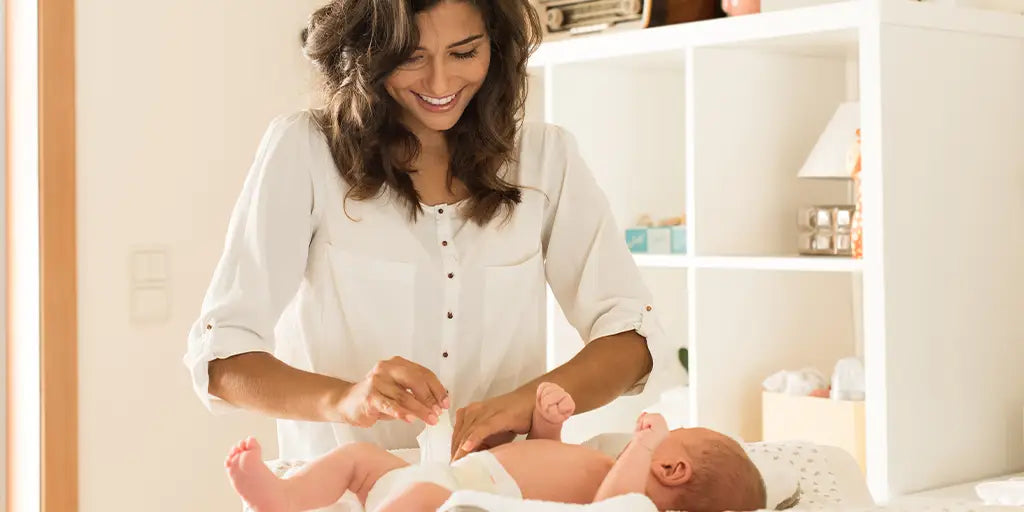
Welcome to the wonderful—and sometimes messy—world of parenthood (emphasis on messy)! While no one thinks changing diapers is an especially gratifying part of parenthood, it is one of the most essential. In fact, you can expect to change between 2,500 and 3,000 diapers in your baby’s first year alone! Given how much time you'll spend on this task, creating a functional and safe diaper changing station is one of the first things you’ll want to set up in your home before bringing home baby. Having a dedicated space for diaper changes can make your life a lot easier and help keep you organized amidst the chaos.
Whether you’re a first-time parent or adding a new member to your growing family, a thoughtfully organized changing area can turn a routine task into a smooth, manageable, and even pleasant bonding part of your day. In this guide, we’ll walk you through everything you need to know about setting up a diaper changing station. From choosing the perfect spot and selecting essential items to organizing your supplies and keeping your baby safe, we’ve got you covered.
Location, Location, Location
Finding the perfect spot for your diaper changing station keeps your baby comfy, organizes your diapering essentials, and can help save your sanity. First, you want a convenient spot—ideally, a place that doesn’t require a trek across the house every time you need to do a quick diaper change. Most Albee parents choose the nursery or the primary bedroom (if you’re still co-rooming). Having the station in your bedroom during the newborn phase can be a true lifesaver for those frequent middle-of-the-night changes.
Next up: Consider space and accessibility. You need enough room to comfortably change your baby (and eventual toddler) without feeling like you’re trying to maneuver in a tiny airplane bathroom. Make sure you have enough space to lay out all your diapering essentials and still have room to move around. Plus, having everything within arm’s reach is a must—no one wants to be halfway through a diaper change only to realize the wipes are on the other side of the room.
Finally, and most importantly, think about safety when choosing your location. The changing station should be on stable, level ground. Avoid placing it directly under windows with blinds or curtains that have long cords, and keep it away from shelves or decorations that a curious baby could pull down.
Changing Station Furniture and Gear
Your changing station will get a lot of use, so choosing the right furniture for the job is essential. Before you decide on a piece of furniture, remember the cardinal rule of nursery safety: always anchor tall furniture like dressers and changing tables to the wall using anti-tip kits. This prevents dangerous tip-over accidents as your child grows and begins to pull up or climb.
Changing Tables: The Classic Choice
Changing tables are the go-to option for many parents, and for good reason. These dedicated pieces of furniture are explicitly designed for diaper duty, offering a convenient and organized space to tackle those frequent changes.
- Purpose-Built Design: Changing tables have built-in safety rails and a designated changing area to keep your baby secure. Many models also include storage shelves or drawers, perfect for keeping diapers, wipes, and creams within easy reach. Look for models that meet ASTM international safety standards for an extra layer of peace of mind.
- Ideal Height: Most changing tables are designed to be comfortable for parents, reducing the need to bend over and strain your back (around 36" to 43" inches seems to be the sweet spot). Their ergonomic design can be a lifesaver, especially during those middle-of-the-night changes.
- Compact and Organized: Changing tables often have a smaller footprint, making them a great option if you’re working with limited space. The added storage underneath keeps everything tidy and within arm’s reach, so you’re (mostly) always prepared.
Dressers: The Versatile Option
Dressers are a fantastic, multi-functional choice for your diaper changing station. They offer ample storage and versatility and can transition into your child’s room as they grow.
- Multi-Purpose: A sturdy dresser with a changing pad on top can do double duty, providing a changing surface and storage for your baby’s clothes, blankets, and other essentials. This versatility means you can use the dresser long after the diaper days are over. To make this setup safer, consider using a changing table topper—a wooden frame that secures the changing pad to the dresser's surface.
- Ample Storage: Dressers typically offer more storage space than changing tables, with multiple drawers to organize everything from diapers and wipes to tiny onesies and socks. Bonus: All that stuff is out of sight.
- Long-Term Use: While a changing table might eventually outlive its usefulness, a dresser can be used for years and years. Once diaper changes are a thing of the past—it happens sooner than you’d think!— the dresser remains a functional piece of furniture in your child’s (or teen’s) room.
Rolling Carts and Wall Mounts
- The Rolling Cart: For parents in smaller spaces or those looking for a mobile solution, a 3-tiered rolling utility cart can be an amazing changing station. The top tier can hold a portable changing pad, while the lower tiers are perfect for organizing diapers, wipes, and creams. You can roll it wherever you need it!
- Wall-Mounted Tables: If floor space is at a premium, a wall-mounted, fold-down changing table is a brilliant space-saving solution. These units mount securely to the wall and fold away neatly when not in use.
Once you’ve settled on your furniture, you’ll need to pick a changing pad. Remember to always use the included straps and hardware to securely anchor the pad to the table or dresser. Here are your options:
- Traditional changing pads are budget-friendly (typically under $25) and fit most changing tables or dressers with a built-in changing table topper. They feature contoured sides to help keep your baby centered. Designed to be used with changing pad covers, you won’t have trouble finding a cute cover to coordinate with your nursery. While they aren’t super stable on their own, they’re lightweight and portable (so any room can have a comfy changing spot).
- Wipeable changing pads are more expensive but don’t require a cover, which can save you money and laundry time in the long run. They’re completely waterproof (often made from solid polyurethane foam) and can be quickly wiped down for easy clean-up. These pads have a stable base with a non-slip bottom, making them a better choice if you’re planning to create a changing station by adding a pad to a dresser or another piece of furniture.
Changing Station Supplies
Diaper changing is one of the more hands-on and messy aspects of parenting. What can help make it a little easier? Having everything you need organized and within arm’s reach before each change.
- Diapers: Let’s start with the obvious. You’ll want a good stash of diapers in your baby’s current size and one size up because babies grow faster than you’d believe. (Pro-Tip: Take a handful of diapers out of the package so you can grab them one-handed). If you're cloth diapering, you'll need a stack of clean diapers, waterproof covers, and a wet bag for the soiled ones.
- Wipes: Opt for sensitive or hypoallergenic wipes to avoid irritating your baby’s delicate skin. They’re gentle, effective, and perfect for those frequent newborn diaper changes. Plus, they come in handy for quick cleanups of pretty much anything—spit-up, sticky hands, you name it. A wipe warmer is an optional but much-loved item that can make changes more pleasant for babies who are sensitive to the cold.
- Diaper Cream and Ointment: A good barrier cream can prevent those painful rashes before they start and soothe them if they do. It's helpful to know the difference: ointments (like petroleum jelly or Aquaphor) are best for creating a barrier to prevent rashes, while creams containing Zinc Oxide are used to treat existing diaper rash. Keep it within arm’s reach, and don’t be shy about using it generously—your baby’s bum will thank you.
- Hand Sanitizer: Sometimes, a sink isn’t nearby when you’re elbow-deep in a diaper change. Hand sanitizers are perfect for a quick clean-up when soap and water aren’t an option. Keep a bottle at your changing station to clean your hands before and after every change.
- Extra Clothes: Babies have a knack for making messes just when you least expect it. Keep a stash of extra clothes (at least two onesies or sleepers) at your changing station for those inevitable accidents. Having a quick change of clothes handy will save you from running to the nursery with a half-naked baby in tow.
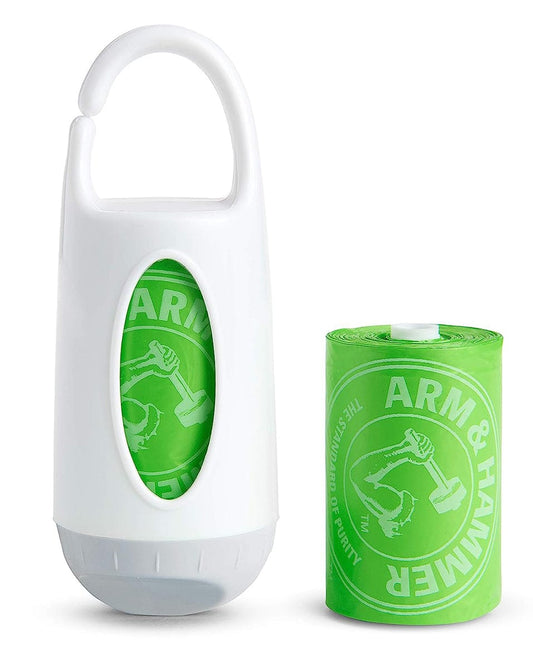
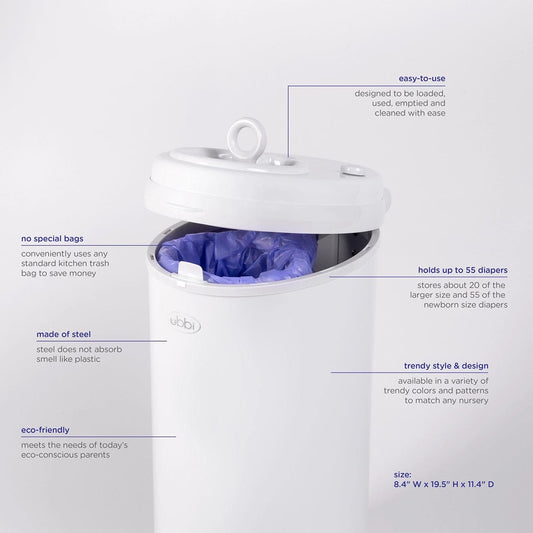
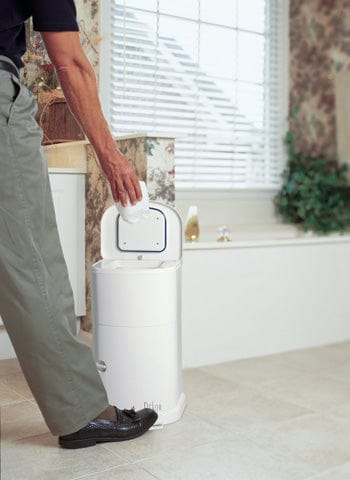
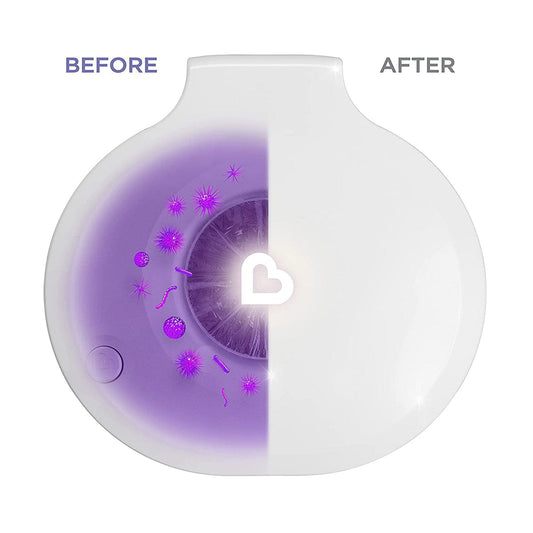
- Disposable Bags or a Diaper Pail: Here’s the deal: Diapers stink. A diaper pail or disposable bags are essential for keeping odors at bay. A good diaper pail can lock in smells, while disposable bags are great for quick and easy waste disposal. When choosing a pail, consider whether you prefer a system that requires proprietary refill bags or one that works with standard kitchen trash bags.
- Laundry Hamper: Diaper changing stations often become hubs for all sorts of general baby care, including getting dressed. Keeping a hamper close for dirty clothes will help keep your nursery tidy.
- A Nightlight: For late-night changes, a soft-glow nightlight is a must-have. It provides enough light to see what you're doing without fully waking up your baby (or yourself).
- Entertainment for Baby: A distracted baby is a happy baby during diaper changes. Hang a simple mobile above the station (well out of reach), tape some high-contrast black-and-white images to the wall, or keep a special small, easy-to-clean toy that they only get to see during diaper time.
Group Similar Items Together
First things first, group similar items together. Diapers with diapers, wipes with wipes, creams with creams—you get the idea. This way, you’re not scrambling to find what you need mid-diaper change.
- Keep all your diapers in one place. Whether it’s a drawer, a basket, or a designated shelf, having them all together makes it easy to grab one when you need it.
- Store your wipes right next to the diapers. You’ll want these two essentials to be BFFs, always side by side.
- Designate a spot for your diaper creams, lotions, and ointments. You can avoid searching high and low for that tube of rash cream, then high-five yourself.
Use Labels for Easy Identification
Lean into your Type-A tendencies and embrace labeling. They make it super easy to identify what’s what, especially when you’re in a hurry or if someone else is helping out with diaper duty.
- Use drawer dividers to create sections and label each one. “Diapers,” “Wipes,” “Creams,” etc. This keeps everything neat and tidy.
- If you’re using baskets or bins, stick a label on them. It’s a simple step that saves you time and frustration, and, more importantly, makes it easy for your partner to restock supplies.
And finally, the golden rule of organizing your changing station: Make sure everything you need is within arm’s reach. You don’t want to leave your baby unattended even for a second, so having everything nearby is key. Think like a surgeon: before you lay the baby down, open a fresh diaper and pull out a few wipes so they are ready to go.
Make a Mini-Station
If you live in a multi-level home, having a second changing station can be a major time saver. A pack-and-play or travel bassinet can make an excellent mini-changing station for the living room or another high-traffic area.
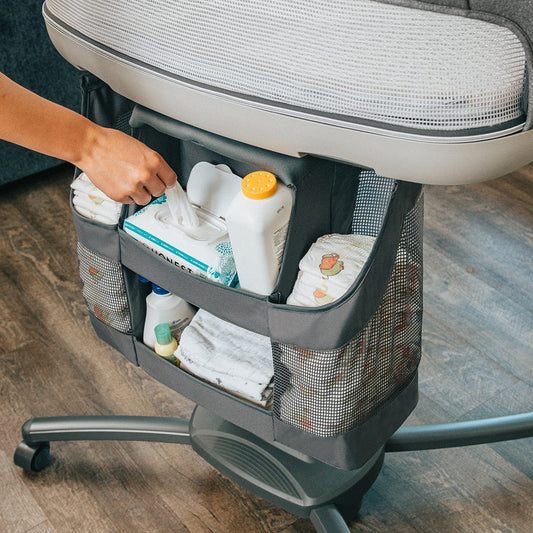
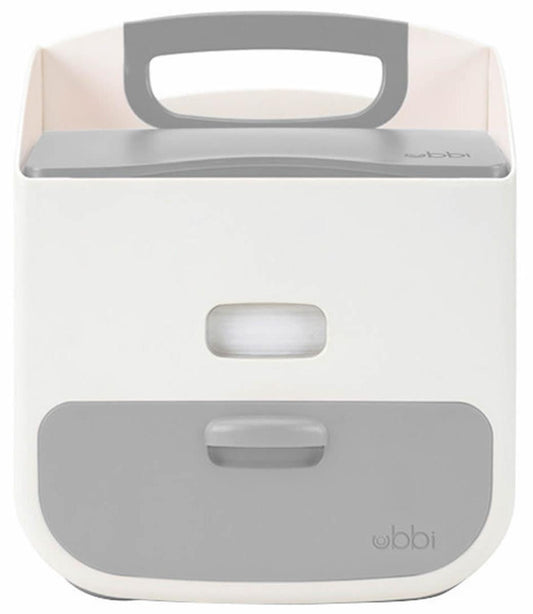
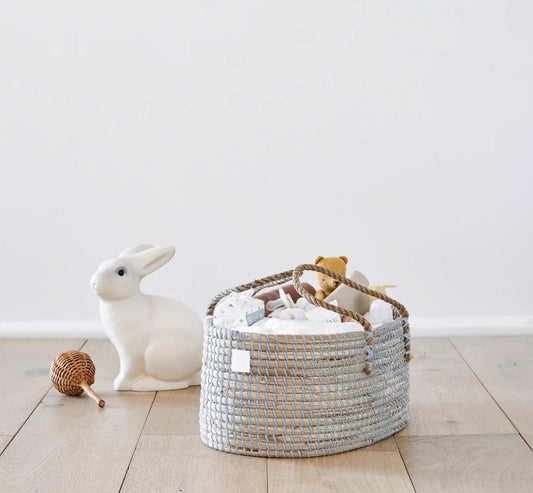
An even easier solution is to create a portable diaper caddy. You won’t need as many supplies for this smaller station, but a similar setup works perfectly. Keep these essentials in a compact bin or a dedicated caddy, and place rolled-up swaddle blankets and other baby necessities beside it. Now you’ve got a one-stop baby shop that keeps you ready for anything:
- A handful of current size diapers
- 1 travel pack of wipes
- 1 tube of diaper cream
- 2 spare pajamas or onesies
- 1 spare daytime outfit
- A portable, foldable changing mat
- A few disposable bags for dirty diapers
Finding What’s Right for You
Ultimately, the perfect diaper changing station is one that is safe, comfortable, and works seamlessly for your family and your space. By planning ahead and getting organized, you can transform a daily chore into a stress-free moment of connection with your little one.
Albee Baby is the oldest family-owned specialty baby shop in the US. We pride ourselves on providing our customers with the best assortment of baby products anywhere, at fair prices, always. We’re committed to being an inclusive resource for parents and hope you feel empowered to find the right baby gear for your family. Still have questions? Feel free to contact our baby gear experts at 877.692.5233 or [email protected].